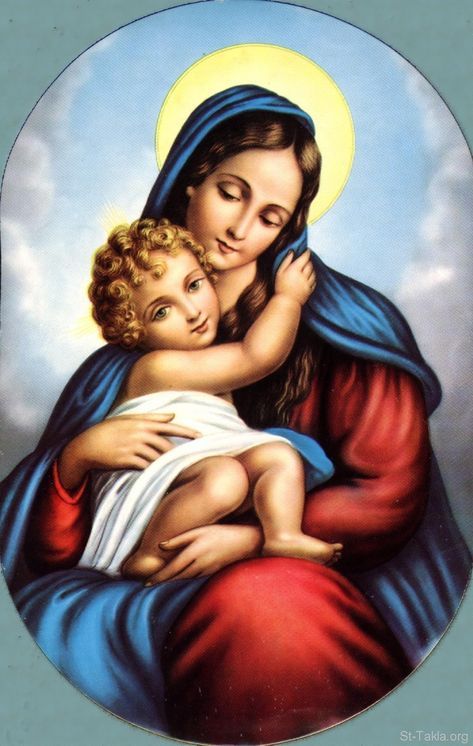
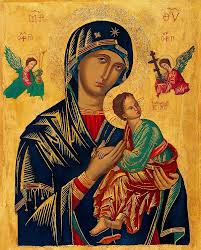
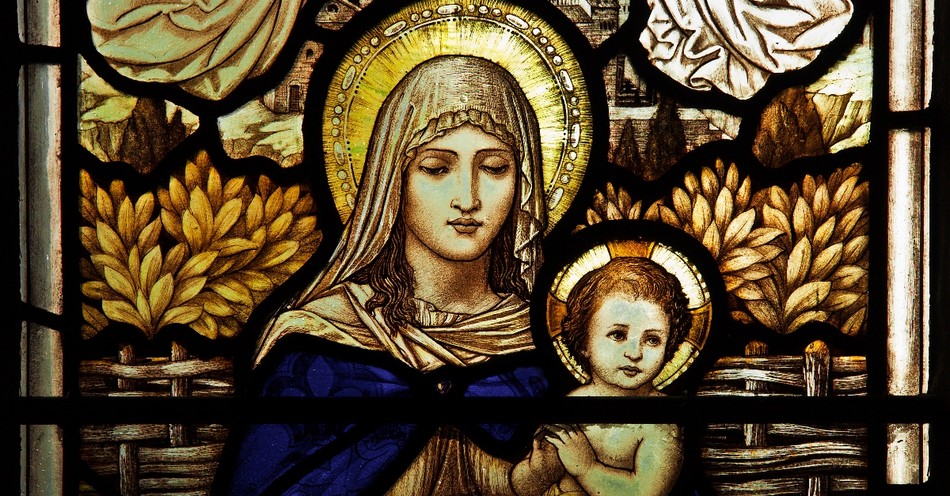
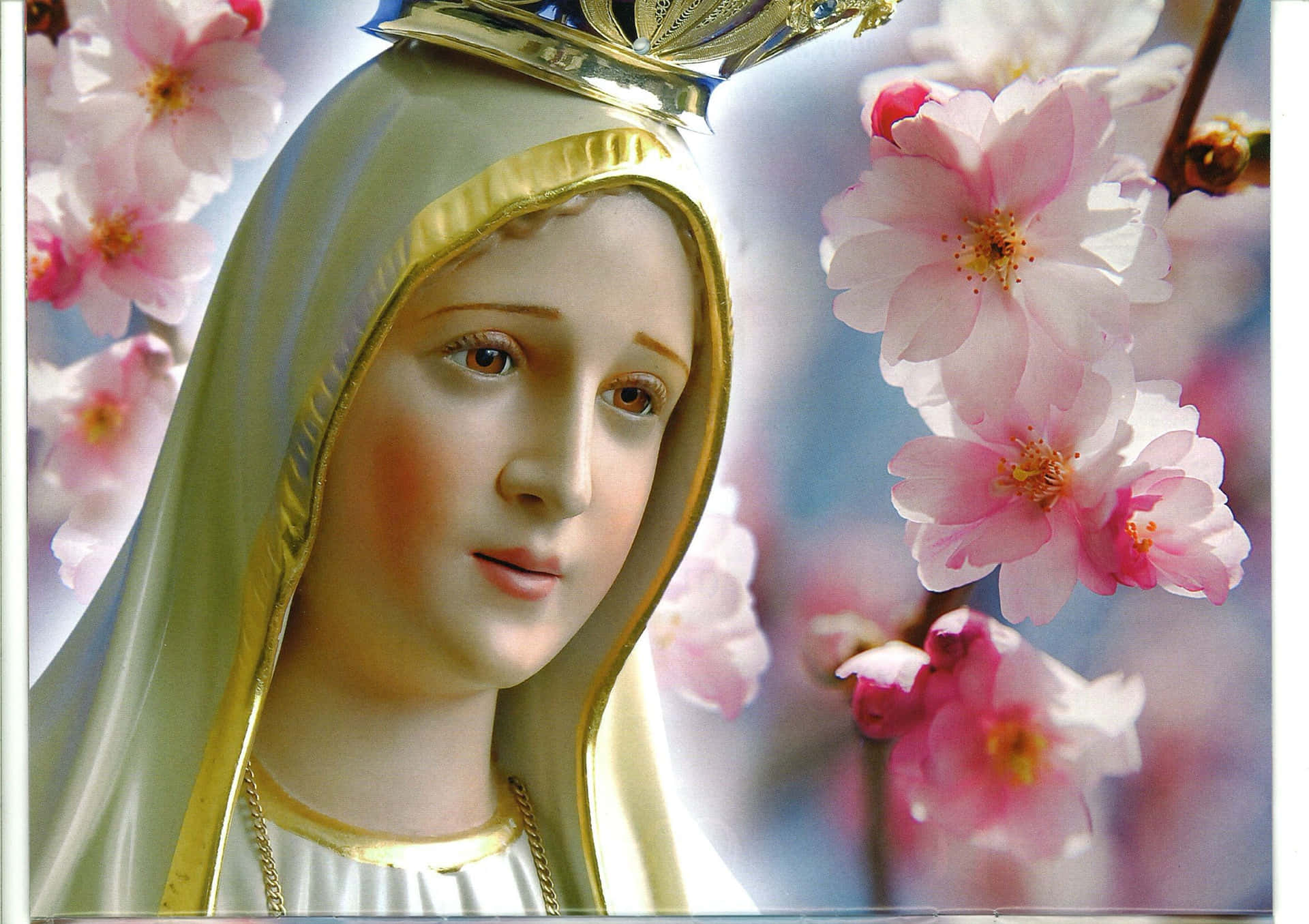
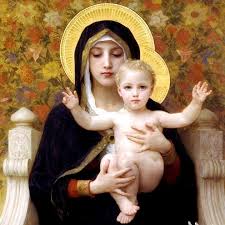
Mary's Queenship of Heaven: A Catholic Understanding
Updated at: 2025-06-23 05:17:12 (9 months ago by Melkisedeck Leon Shine)
This article explores the Catholic doctrine of Mary's Queenship, examining its theological foundations, historical development, and spiritual implications. Key concepts include Mariology (the theological study of Mary), Theotokos (God-bearer, acknowledging Mary as the Mother of God), and intercession (Mary's role as mediator between humanity and God). We will analyze how these concepts intersect to shape the understanding and devotion surrounding Mary as Queen of Heaven.
The Assumption and its Theological Significance: Catholic doctrine teaches the Assumption of Mary, the belief that she was taken body and soul into Heaven. This doctrine, while not explicitly stated in scripture, is supported by a rich tradition and interpreted through the lens of Christological typology. The Assumption is viewed as a unique participation in Christ's resurrection, a prefiguration of the ultimate resurrection of all believers (similar to the concept of eschatology, the study of last things), and a reflection of her sinless nature. The book of Revelation's depiction of a woman crowned with stars, often interpreted as Mary, symbolizes her exalted position.
Biblical and Patristic Foundations: The Marian titles, "Queen of Heaven," "Queen of all Creation," and "Queen of Saints," are rooted in a long theological tradition. Early Church Fathers, such as Saint Augustine and Saint Jerome, laid the groundwork for understanding Mary's exceptional role in salvation history. Their writings, while not explicitly using the title "Queen of Heaven," emphasize Mary's obedience as a counterpoint to Eve's disobedience, positioning her as the "New Eve." The angel Gabriel's greeting to Mary in Luke 1:28, "Hail, full of grace," highlights her unique grace and holiness, further supporting the concept of her elevated status.
Mary's Role as Intercessor and Spiritual Mother: The Catholic understanding of Mary's Queenship is intrinsically linked to her role as intercessor and spiritual mother. Jesus' entrusting of Mary to John at the crucifixion ("Behold, your mother," John 19:27) establishes a powerful precedent for Mary's maternal role towards humanity. This maternal role fosters a deeper connection with believers, extending beyond simple veneration to a relationship of trust and spiritual guidance, mirroring the concept of spiritual motherhood found in various religious traditions.
Mary's Perpetual Virginity and its Significance: The doctrine of Mary's perpetual virginity reinforces her purity and holiness, further emphasizing her exalted status. This belief, central to Catholic Mariology, underscores the unique nature of her motherhood and her unwavering fidelity to God. It contributes to the broader theological understanding of her role as a model of faith and obedience.
Theological Balance: Avoiding Idolatry: It is crucial to emphasize that the devotion to Mary as Queen of Heaven does not detract from the supreme worship due to God alone. The Marian devotion serves as a means to honor Mary, recognizing her unique relationship with Jesus while maintaining the centrality of God's place. This aligns with the principle of dulia (veneration given to saints) distinguished from latria (worship reserved solely for God).
Conclusion and Recommendations: The doctrine of Mary's Queenship presents a rich and complex tapestry woven from biblical interpretation, theological reflection, and spiritual experience. Understanding this doctrine requires a careful examination of its historical development and theological nuances, emphasizing the balance between Marian devotion and the central role of Christ. Further research could focus on comparative analyses of Marian devotion across different Christian denominations and explore the psychological and sociological aspects of Marian piety. This study could also benefit from integrating interdisciplinary approaches including history, anthropology, and psychology to better understand the multifaceted nature of this significant aspect of Catholic belief.
Reader Pool: Considering the historical development and theological complexities discussed in this article, how might a nuanced understanding of Mary's Queenship contribute to fostering interfaith dialogue and mutual respect?
Updated at: 2023-08-05 13:20:12 (2 years ago by Melkisedeck Leon Shine)
The Significance of the Miraculous Medal
๐ The Miraculous Medal holds a significant place in the hearts of many devout Catholics around the world. This small medal, also known as the Medal of the Immaculate Conception, is believed to possess miraculous powers and is associated with numerous miracles and graces. Let's explore the significance of this beautiful medal and its connection to the Virgin Mary, the Mother of God.
1๏ธโฃ The Miraculous Medal was designed by the French nun, Saint Catherine Labourรฉ, who reportedly received a vision of the Blessed Virgin Mary in 1830. In the vision, Mary instructed Catherine to create a medal with specific imagery and promised that those who wore it with faith would receive great graces.
2๏ธโฃ The front of the Miraculous Medal depicts the image of the Blessed Virgin Mary standing on a globe, with rays of light streaming from her hands. This image symbolizes her role as the Mother of God and the universal reach of her intercession.
3๏ธโฃ Surrounding the image of Mary are the words, "O Mary, conceived without sin, pray for us who have recourse to thee." This phrase reflects the Catholic belief in the Immaculate Conception of Mary, which states that she was preserved from all stain of original sin from the moment of her conception.
4๏ธโฃ On the reverse side of the Miraculous Medal, there are twelve stars representing the twelve apostles and a large "M" intertwined with a cross. This "M" symbolizes Mary's role as the Mediatrix of all graces, and the cross represents the redeeming sacrifice of Jesus Christ.
5๏ธโฃ The Miraculous Medal is often worn around the neck or attached to rosaries, bracelets, and other religious items. Many Catholics believe that wearing the medal keeps them close to the Blessed Virgin Mary and invites her intercession in their lives.
6๏ธโฃ Countless miracles and conversions have been attributed to the intercession of the Miraculous Medal. Devotees often share stories of physical healings, emotional healings, and spiritual transformations that they believe were a result of wearing the medal and praying to Mary.
7๏ธโฃ The Catechism of the Catholic Church teaches that Mary's role as the Mother of God is of utmost significance. Through her "yes" to God's plan, she cooperated in our redemption and continues to intercede for us in heaven.
8๏ธโฃ In John 19:26-27, Jesus entrusted Mary to the care of the Apostle John, symbolizing her universal motherhood and maternal role in the lives of all believers. This is why Catholics turn to Mary and seek her intercession with confidence.
9๏ธโฃ The Miraculous Medal serves as a tangible reminder of Mary's love and care for humanity. It is a physical symbol of her powerful intercession and a source of comfort and hope for many Catholics.
๐ Saint Maximilian Kolbe, a Polish Franciscan friar, was a strong advocate of the Miraculous Medal. He believed in its power to bring about conversions and sought to spread devotion to the medal throughout the world.
1๏ธโฃ1๏ธโฃ The Catholic Church has officially recognized the Miraculous Medal and encourages the faithful to wear it as a sign of their devotion to Mary and their trust in her intercession.
1๏ธโฃ2๏ธโฃ In the words of Saint Pope John Paul II, "The sign of the Miraculous Medal is a tangible testimony of the protection of the Mother of God and the communion of saints."
1๏ธโฃ3๏ธโฃ The Miraculous Medal is not an object of worship but a sacramental, a visible sign that helps to dispose us to receive grace from God. It is a means through which we can deepen our relationship with Mary and draw closer to her Son, Jesus Christ.
1๏ธโฃ4๏ธโฃ Mary, as our spiritual mother, invites us to approach her with childlike trust and to place all our needs and intentions in her loving hands. The Miraculous Medal serves as a reminder of this invitation and an assurance of her maternal care.
1๏ธโฃ5๏ธโฃ In conclusion, the Miraculous Medal holds great significance in the lives of many Catholics worldwide. Through its powerful imagery and connection to the Virgin Mary, it serves as a reminder of God's love and the intercessory role of Mary in our lives. Whether worn around the neck or included in prayers, the Miraculous Medal is a cherished symbol of faith, hope, and the maternal love of our Blessed Mother. Do you wear a Miraculous Medal? What role does it play in your spiritual life?
Updated at: 2023-08-05 13:19:50 (2 years ago by Melkisedeck Leon Shine)
The Assumed Role of Mary in the Communion of Saints ๐๐น
Mary, the beloved Mother of God, holds a special place in the Communion of Saints. As Catholics, we believe that she was assumed body and soul into Heaven at the end of her earthly life. This glorious event is known as the Assumption of Mary.
The Assumption of Mary is not explicitly mentioned in the Bible, but we find hints of it in Scripture. In the book of Revelation, we read about a woman clothed with the sun, with the moon under her feet, and a crown of twelve stars on her head. This woman is commonly understood to be Mary, who is exalted in Heaven.
The Catechism of the Catholic Church teaches us that Mary's Assumption is a sign of hope and a reminder that we too, by the grace of God, can hope to be united with Him in Heaven. It states, "The Assumption is a singular participation in her Son's Resurrection and an anticipation of the resurrection of other Christians" (CCC 966).
Mary's role in the Communion of Saints goes beyond her assumption. She is considered the Queen of Heaven and Earth, a title bestowed upon her by God. Just as the Queen Mother played a significant role in the Old Testament, so does Mary in the New Testament as the Mother of Jesus, the King of Kings.
Mary's intercession is powerful and has been witnessed throughout history. At the wedding at Cana, she interceded for the couple and prompted Jesus to perform His first miracle, turning water into wine. This demonstrates her role as a compassionate and caring mother, always advocating for her children.
The saints themselves recognized Mary's importance in the Communion of Saints. St. Maximilian Kolbe, a Polish Franciscan friar, said, "Never be afraid of loving the Blessed Virgin too much. You can never love her more than Jesus did." Mary is a beacon of love and devotion, guiding us towards her Son.
The Rosary is a powerful prayer that deepens our relationship with Mary and Jesus. Through the Rosary, we meditate on the significant moments in the life of Christ, accompanied by Mary's loving presence. This devotion brings us closer to the Communion of Saints and strengthens our spiritual journey.
In the Gospel of Luke, Mary's cousin Elizabeth proclaims, "Blessed are you among women, and blessed is the fruit of your womb!" (Luke 1:42). This affirmation acknowledges Mary's unique and blessed role as the Mother of God, highlighting her significance in the Communion of Saints.
The early Church Fathers also recognized Mary's exceptional role. St. Athanasius, one of the great theologians of the Church, stated, "The Word of God became man and the Son of God became the Son of man, so that man, by entering into communion with the Word and thus receiving divine sonship, might become a son of God." Mary, as the Mother of God, played a vital role in the Incarnation.
Mary's assumption into Heaven reminds us of the hope we have in Christ's victory over death. She experienced the fullness of God's grace and is now glorified in Heaven. As Catholics, we honor Mary as our spiritual mother and seek her intercession in times of need.
The saints often turned to Mary in their spiritual journeys. St. Louis de Montfort, a prominent Marian theologian, said, "The more the Holy Spirit finds Mary, His dear and inseparable spouse, in any soul, the more active and mighty He becomes in producing Jesus Christ in that soul." Mary leads us closer to Christ, guiding us on the path to holiness.
Mary's role in the Communion of Saints extends to the present day. Apparitions such as Our Lady of Fatima and Our Lady of Lourdes have brought immense spiritual graces to countless believers, reminding us of Mary's love and concern for her children.
The Catholic Church honors Mary with various feast days throughout the liturgical year. The Solemnity of the Immaculate Conception (December 8th) celebrates Mary's conception without original sin, and the Solemnity of the Assumption (August 15th) commemorates her assumption into Heaven.
Mary's role as the Mother of God and Queen of Heaven reminds us of the importance of cultivating a personal relationship with her. Through prayer, we can seek her guidance and intercession, knowing that she always leads us closer to her Son.
As Catholics, it is essential to reflect on the role of Mary in the Communion of Saints and the impact she has on our spiritual lives. What are your thoughts on Mary's assumed role? How has devotion to Mary influenced your faith journey? Share your insights and experiences in the comments below. ๐น๐
Updated at: 2023-08-05 13:20:20 (2 years ago by Melkisedeck Leon Shine)
The Power of Marian Devotion in Strengthening Families ๐น๐๐
Introduction: The importance of family cannot be overstated in our lives. It is the foundation upon which we build our values, find support, and experience love. In this article, we will explore the power of Marian devotion in strengthening families, drawing upon biblical examples, the teachings of the Catholic Church, and the testimonies of countless faithful Christians throughout history.
Mary as the Mother of God: As Christians, we believe that Mary, the Virgin Mother of God, holds a special place in our faith. ๐๐ Through her humble "yes" to God's plan, she was chosen to bring forth our Savior, Jesus Christ. This unique role makes her a powerful intercessor who can bring our prayers and concerns directly to her Son.
Mary's Example of Faith: Mary's unwavering trust and obedience to God's will offer a beautiful example for families to emulate. ๐๐ By fostering a deep devotion to Mary, families can be inspired to grow in faith, trust, and humility, just as she did.
The Rosary: A Powerful Family Prayer: One of the most cherished Marian devotions in the Catholic Church is the Rosary. ๐ฟ๐น This prayer invites families to come together in unity, reciting the Hail Marys while meditating on the life, death, and resurrection of Jesus. The Rosary can be a source of peace, healing, and harmony within the family unit.
Mary as the Queen of Families: Just as Mary is the Mother of Jesus, she is also recognized as the Queen of Families. ๐๐ก By entrusting our families to her loving care, we invite her to intercede for us and guide us in our roles as parents, spouses, and children.
Mary's Intercession in Times of Need: When families face challenges, difficulties, or crises, turning to Mary can provide immense comfort and strength. ๐๐ช She is a compassionate mother who understands our deepest concerns and desires. Through her intercession, families can experience the healing touch of God's grace.
The Holy Family: A Model for All: The Holy Family of Jesus, Mary, and Joseph serves as an ideal model for every family. ๐๐ Their love, unity, and devotion to God inspire us to build strong, nurturing, and faith-filled relationships within our own households. By imitating their virtues, we can create a haven of love and faith for our loved ones.
Marian Shrines: Places of Spiritual Renewal: Visiting Marian shrines can be a transformative experience for families. ๐๐ These sacred places, such as Lourdes, Fatima, and Guadalupe, offer a unique opportunity for families to deepen their devotion to Mary and seek her maternal intercession. It is a pilgrimage that unites families in prayer and draws them closer to the heart of our Blessed Mother.
The Catechism on Marian Devotion: The Catholic Church's Catechism encourages the faithful to honor Mary as the Mother of God and a model of faith. It states, "Mary's role in the Church is inseparable from her union with Christ and flows directly from it" (CCC 964). ๐๐ Embracing Marian devotion can lead families to a deeper understanding of their own role within the Church and the importance of nurturing their faith.
Saints and Their Devotion to Mary: Throughout history, numerous saints have exemplified a profound devotion to Mary. St. Louis de Montfort, for instance, wrote extensively about consecrating oneself to Jesus through Mary. St. Maximilian Kolbe, known for his heroic sacrifice, had an unwavering devotion to Mary and referred to her as the "Immaculate Conception." These saints provide us with powerful examples of the transformative power of Marian devotion.
The Wedding at Cana: Mary's Intercession: The Wedding at Cana is a biblical example of Mary's intercession and her concern for the needs of families. When the wine ran out, Mary turned to Jesus and said, "They have no wine" (John 2:3). Through her intervention, she obtained a miracle, demonstrating her ability to intercede on behalf of families in times of scarcity or need.
Mary's Consoling Presence: In times of sorrow and grief, Mary's consoling presence brings solace to families. As she stood at the foot of the Cross, witnessing the crucifixion of her Son, she empathizes with the pain and suffering experienced by families throughout the ages. Through her intercession, she brings comfort and hope to those who are mourning or distressed.
The Magnificat: Mary's Song of Praise: Mary's Magnificat, found in the Gospel of Luke, is a beautiful hymn of praise and gratitude to God. It reminds families of the importance of recognizing God's blessings and expressing gratitude for His goodness. By incorporating the spirit of the Magnificat into their lives, families can foster a joyful and thankful spirit.
Encouraging Family Prayer: Marian devotion can inspire families to embrace a consistent prayer life. By incorporating prayers such as the Angelus, the Memorare, or the Regina Caeli into their daily routines, families can deepen their relationship with Mary and grow closer to God. Prayer becomes a powerful tool in strengthening family bonds and inviting God's grace into their lives.
Conclusion: The power of Marian devotion in strengthening families cannot be underestimated. Through her example, intercession, and maternal love, Mary provides guidance, support, and inspiration to families around the world. ๐๐ By embracing Marian devotion, families can deepen their faith, find solace in times of need, and experience the transformative power of God's love. How has Marian devotion impacted your family? Share your thoughts and experiences below! ๐น๐๐
Updated at: 2025-06-21 00:59:45 (9 months ago by Melkisedeck Leon Shine)
This article explores the theological concept of Mary as Mediatrix, examining her role within the Christian faith, particularly within Catholic theology. We will define key terms, analyze biblical and theological foundations, and explore the implications of this doctrine for personal spiritual growth. Key concepts include mediation (the act of intervening or interceding on behalf of others), intercession (prayer on behalf of another), and grace (God's unmerited favor and divine assistance). We will also touch upon relevant theological frameworks such as the Marian doctrines within Catholicism.
The foundational basis for understanding Mary's role as Mediatrix lies in her divine motherhood. Luke 1:43, where Elizabeth calls Mary "the mother of my Lord," establishes Mary's unique position in the history of salvation. This title, "Mother of God" (Theotokos), emphasizes her role in the Incarnation โ God becoming man in Jesus Christ. This divine motherhood is not merely a biological fact, but a theological reality that underscores Mary's intimate relationship with Christ and her participation in the redemptive work of God. Applying the Trinitarian model of God here, this highlights the co-operation of the Divine and human in the redemptive work.
Catholic theology affirms Mary's role as Mediatrix, clarifying that her mediation doesn't supersede or diminish Christ's unique mediation. Instead, it complements and enhances it. As the Catechism of the Catholic Church states, Mary's mediation flows from her motherhood and her complete union with God's will. This mediation is understood not as a substitution for Christ's role, but as a participation in his grace. The concept of *subsidiarity* can be applied here, where God primarily acts, but uses secondary means (in this case Mary's role) to achieve his goal of salvation. Applying the ecclesiological models of the church as both a maternal and mystical body of Christ, Mary is understood as co-operating in her maternal role with the mediatorial role of Christ.
The wedding at Cana (John 2:1-12) provides a powerful example of Mary's intercession. Her request to Jesus to address the lack of wine illustrates her awareness of human needs and her confident approach to her Son. This episode demonstrates Mary's active role in God's plan, not merely as a passive observer, but as a participant who collaborates in bringing about God's grace. Theological analysis of this event, and other instances in scripture and tradition, shows that Mary's intercession is not based on her inherent power, but on her intimate relationship with Jesus and her unwavering faith. Her role demonstrates *vicarious participation*, where she participates in the effects of Christ's mediation.
Devotional practices, such as the Rosary, further highlight Mary's role as Mediatrix. The Rosary's repetitive prayers, especially the "Hail Mary," invoke Mary's intercession, seeking her help in bringing our petitions to Christ. This practice is based on the theological understanding of the communion of saints, implying a collaborative network of intercession, where Mary's role is particularly emphasized due to her unique relationship with Christ.
The doctrine of the Assumption of Mary, affirming her bodily ascension into heaven, underscores her unique relationship with Christ and her role in the eschatological reality of the Church's ultimate destiny. The doctrine of perpetual virginity, asserting that Mary remained a virgin before, during, and after the birth of Jesus, emphasizes the purity and holiness with which she cooperated in the Incarnation. Both doctrines serve to highlight her unique place in the history of salvation and her ongoing role as a model of faith and obedience. These doctrines are also illustrative of the concept of the *Immaculate Conception*, which emphasizes her sinless nature from the moment of her conception.
Mary's "Fiat," her "yes" to God's will (Luke 1:38), exemplifies the pinnacle of faith and obedience. Her complete surrender to God's plan serves as a powerful model for all Christians. Her life embodies the virtues of humility, trust, and unwavering faith, showing us the importance of surrendering to God's plan amidst life's challenges. Analyzing Maryโs response using the lens of *virtue ethics* provides a framework for Christian life.
The concept of Mary as Mediatrix, while a source of ongoing theological discussion, presents a rich tapestry of theological insights that emphasize the collaboration between Mary, the Church, and Christ within the work of salvation. Understanding Mary's role as Mediatrix can profoundly impact personal spiritual lives by fostering a deeper devotion to Christ and a more mature understanding of God's grace. Further research might explore the comparative theological perspectives on Mary's role across various Christian denominations, enriching the discussion. This would also include a critical evaluation of potential misinterpretations and excesses surrounding Marian devotion. The impact of emphasizing Mary's role should be carefully considered, ensuring that it always points toward Christ as the ultimate mediator and source of grace.
Reader Pool: How does the concept of Mary's mediation, as presented in this article, impact your understanding of the relationship between Mary, Christ, and the believer?
Updated at: 2025-06-05 13:03:20 (10 months ago by Melkisedeck Leon Shine)
```htmlIntroduction: This paper explores the concept of Marian intercession within the framework of Roman Catholic theology and examines historical and contemporary instances attributed to her influence. Key concepts such as intercession (the act of pleading on behalf of another), miracle (an event defying natural laws attributed to divine intervention), and grace (divine assistance given to humans) will be analyzed within the context of established theological frameworks. We will explore reported instances of Marian intercession through various lenses, including sociological, psychological, and theological perspectives, employing a phenomenological approach to analyze subjective experiences.
1. The Theological Basis of Marian Intercession: The Catechism of the Catholic Church affirms Mary's unique role as the Theotokos (God-bearer) and her consequent position of honor and intercession. This doctrine, rooted in Christological and ecclesiological principles, positions Mary as a model of faith and an intercessor before God. This is supported by the understanding of the communion of saints, a key tenet of Catholic theology, where the faithful in Heaven intercede for those on Earth.
2. The Wedding at Cana as a Paradigm: The Gospel of John (2:1-12) presents the wedding at Cana as a foundational example of Marian intercession. Mary's appeal to Jesus exemplifies her compassionate advocacy for human needs. This event, interpreted through a lens of relational theology, highlights the efficacy of intercessory prayer within the Trinitarian framework. Applying this concept, one can see the effectiveness of prayer as a conduit for divine grace mediated through interpersonal relationships.
3. Marian Apparitions and the Miracle of the Sun at Fatima: The reported apparition of Mary at Fatima in 1917, culminating in the "Miracle of the Sun," exemplifies a collective experience attributed to divine intervention. Analyzing this event requires consideration of social psychology, potentially involving group suggestibility and collective belief systems. However, from a theological perspective, the event is interpreted as a manifestation of God's power mediated through Mary's intercession, intended to strengthen faith and encourage repentance.
4. Reported Instances of Healing and Protection: Numerous accounts document instances of healing and protection attributed to Mary's intercession. These reports, while subjective, illustrate the power of faith and the human need for comfort and solace in times of distress. Applying a psychological framework, one could posit the impact of positive expectancy and the placebo effect in contributing to perceived healing. Theologically, these experiences are viewed as instances of God's grace, potentially mediated through Mary's intercessory prayers.
5. Marian Intercession and Spiritual Transformation: Accounts of conversions and spiritual transformations attributed to Marian devotion showcase the influence of faith on personal transformation. This transformative power can be interpreted through various theological perspectives, highlighting the role of grace in fostering personal growth and spiritual maturity. This aligns with the concept of sanctification, a process of spiritual growth and transformation guided by Godโs grace.
6. The Rosary and Devotional Practices: The Rosary, a devotional practice deeply rooted in Marian piety, provides a structured framework for prayer and meditation on the life of Christ. The repetitive nature of the prayer, from a psychological perspective, can induce a state of contemplative prayer, fostering spiritual growth and deepening faith. Theologically, the act of prayer is viewed as a means of communicating with God and seeking His grace, further enhanced by the intention of seeking Mary's intercession.
7. The Witness of the Saints: The consistent devotion to Mary expressed by numerous saints throughout history underscores the enduring power of Marian intercession within the tradition of the Catholic Church. The lives of saints, like St. Maximilian Kolbe, demonstrate faith in action and highlight the perceived impact of Maryโs intercession. This reinforces the theological concept of the communion of saints and the potential for heavenly intercessory support.
8. The Magnificat and the Model of Humility and Faith: Mary's Magnificat (Luke 1:46-55) exemplifies her humility and unwavering faith in God's plan. This model of faith and surrender provides an example for believers seeking a deeper relationship with God. From a psychological perspective, embracing humility and faith may enhance psychological well-being. From a theological standpoint, it is a model of how to engage in intercessory prayer.
Conclusions and Recommendations: The analysis of Marian intercession reveals a complex interplay of theological doctrines, psychological factors, and sociological phenomena. While the empirical evidence for miracles remains contested, the subjective experiences reported highlight the significance of faith and the human need for spiritual solace and guidance. Further research might explore the correlation between Marian devotion and psychological well-being, utilizing quantitative and qualitative methodologies to analyze the impact of prayer and faith on individuals' lives. The theological exploration of Marian intercession could further enrich our understanding of the dynamics of divine grace and the role of intercessory prayer within the Christian faith. Such research would necessitate a careful consideration of both anecdotal and empirical evidence, employing rigorous methodologies to address the complexities of the subject matter. The application of various theoretical frameworks could offer a multifaceted understanding of this profound and deeply personal spiritual practice.
Reader Pool: How might a deeper understanding of the psychological and sociological factors surrounding reported instances of Marian intercession inform our theological interpretations of these experiences?
```
Updated at: 2025-06-05 13:41:38 (10 months ago by Melkisedeck Leon Shine)
```htmlThis essay examines the role of Mary, the mother of Jesus, as a model of faith within Christian theology. Key concepts explored include theosis (deification or divine likeness), kenosis (self-emptying), intercession (prayer on behalf of others), and the concept of Mary as a type (a prefiguration of a later reality, in this case, the Church).
The Annunciation and the Virtue of Kenosis: The Annunciation (Luke 1:26-38) presents Mary's initial encounter with the divine. Gabriel's announcement of her conception of Jesus, a son of God, is met not with fear or rejection, but with humble acceptance. Mary's response, "Behold, I am the handmaid of the Lord; let it be to me according to your word," exemplifies kenosis. She willingly relinquishes her own desires and plans, submitting completely to God's will. This act of self-emptying serves as a powerful model for believers, reminding us that authentic faith requires a willingness to surrender to God's sovereign plan, aligning our individual desires to the divine will, a critical component of spiritual growth and transformative living, as outlined by various spiritual formation models. This highlights the importance of self-awareness and a discerning approach to recognizing and responding to God's call in one's own life.
The Magnificat: A Proclamation of Theosis: Mary's Magnificat (Luke 1:46-55) is a hymn of praise revealing her profound understanding of God's power and grace. Her words reflect a deep awareness of God's plan of salvation, highlighting the reversal of societal power dynamics. The Magnificat's emphasis on God's power to exalt the humble and to bring down the mighty serves as a powerful testament to God's transformative power, illustrating the concept of theosis โ the process of becoming increasingly like God. This active participation in God's redemptive work is an inspirational model for Christians, who are called to participate in God's plan in their daily lives. Furthermore, the Magnificat embodies a model for faithful living, emphasizing gratitude, humility, and a recognition of God's active involvement in the world.
The Wedding at Cana: Intercession and Collaboration with Christ: The miracle at Cana (John 2:1-11) depicts Mary's role as intercessor. Her intervention on behalf of the wedding guests demonstrates her understanding of Jesus' divine power and her trust in His ability to provide. Her simple statement, "They have no wine," initiates a divine response. While some interpretations might portray a passive role, a deeper theological lens suggests an active collaboration with Christ in His ministry. This illustrates the power of faithful intercession and the importance of prayerful engagement with God on behalf of others, mirroring the relational approach in pastoral care and counseling, where empathetic listening and collaborative problem solving are crucial.
The Crucifixion: Endurance, Trust, and the Motherhood of Believers: Mary's presence at the foot of the cross (John 19:25-27) offers a profound lesson in unwavering faith amidst suffering. Her enduring loyalty to her Son, even in the face of immense grief, demonstrates remarkable fortitude and reliance upon God's unwavering love. This emphasizes the importance of perseverance during life's trials, teaching believers to find strength through trust in divine providence. Her role as the mother of believers, as Jesus entrusts her to John, underscores the role of the Church as a supportive and nurturing community, supporting one another through times of grief and challenge.
The Assumption: Eschatological Hope and the Promise of Resurrection: The Assumption of Mary (a doctrine affirmed by the Catholic Church) signifies her bodily and spiritual ascension into heaven. This event speaks to the ultimate triumph of faith and hope in the face of death, offering a powerful eschatological message of resurrection and eternal life. It reflects the anticipation of believers towards their own union with God and the fulfillment of God's promises. This doctrine inspires believers to seek a life of holiness and virtuous living, striving toward achieving union with God.
Conclusion and Recommendations: Mary's life, as presented in scripture and theological tradition, offers a comprehensive model of faith for all believers. Her obedience, humility, intercession, and steadfast trust in God in the face of suffering inspire us to deepen our relationship with Christ and to strive for a life that reflects his teachings. Further research could explore the comparative theologies surrounding Mary's role across different Christian denominations, analyzing how varying interpretations impact lived faith and community engagement. Analyzing the socio-cultural impacts of the Marian traditions on the lives of believers could further enhance our understanding of the depth and breadth of Mary's influence on Christian spirituality. The practical application of Maryโs example could be further explored through case studies of individuals who have demonstrated similar virtues of faith and perseverance in challenging circumstances. This deeper understanding will provide a clearer insight into how Maryโs model can be effectively applied in contemporary contexts to foster spiritual growth and resilience in individuals and communities.
Reader Pool: Considering the diverse interpretations of Mary's role within Christianity, how might a more nuanced understanding of Marian theology contribute to fostering ecumenical dialogue and collaboration among different Christian traditions?
```
Updated at: 2023-08-05 13:19:16 (2 years ago by Melkisedeck Leon Shine)
The Virgin Mary holds a significant role in God's plan of salvation. As a devout Christian Roman Catholic, I believe that Mary was chosen by God to be the mother of Jesus, the Son of God, and the Savior of mankind. Her unique position in salvation history is filled with love, grace, and devotion. Let us explore the 15 points that emphasize the importance of the Virgin Mary in God's divine plan.
The Annunciation: Mary's journey began when the angel Gabriel appeared to her, announcing that she would conceive a child through the Holy Spirit. This miraculous event marked the beginning of God's plan of salvation (Luke 1:26-38).
The Immaculate Conception: Unlike any other human being, Mary was conceived without original sin. This special privilege prepared her to become the vessel through which Jesus would enter the world (CCC 491-492).
The Mother of God: Mary's role as the Mother of God is unparalleled. Through her, God took on human flesh and dwelt among us (John 1:14). Just as a child receives physical traits from their mother, Jesus received His humanity from Mary.
The Perpetual Virginity: Mary's perpetual virginity is another aspect of her unique role. She conceived Jesus while remaining a virgin and continued to be a virgin throughout her life. This testifies to her complete dedication to God's plan (CCC 499).
The Visitation: Mary's visit to her cousin Elizabeth demonstrates her devotion and humility. She greeted Elizabeth, and upon hearing Mary's voice, Elizabeth's baby leaped in her womb, recognizing the presence of Jesus (Luke 1:39-45).
The Magnificat: Mary's beautiful prayer, known as the Magnificat, is a testament to her faith and praise for God. It reflects her humility, acknowledging that God chose her despite her lowly state (Luke 1:46-55).
The Nativity: Mary gave birth to Jesus in a humble stable, surrounded by shepherds and angels. This event fulfilled ancient prophecies and brought light to a dark world (Luke 2:1-20).
The Presentation in the Temple: According to Jewish law, Mary and Joseph presented Jesus in the temple. The prophet Simeon recognized Jesus as the Messiah and foretold the sorrow Mary would endure (Luke 2:22-35).
The Flight into Egypt: Mary, Joseph, and Jesus fled to Egypt to escape King Herod's murderous intentions. Their journey serves as a reminder of the hardships they faced to protect Jesus, who was to bring salvation to all (Matthew 2:13-15).
The Finding in the Temple: When Jesus was twelve, Mary and Joseph lost Him in Jerusalem. After searching frantically, they found Him in the temple, conversing with the teachers. This event highlights Mary's role as a loving and concerned mother (Luke 2:41-52).
The Wedding at Cana: At the wedding in Cana, Mary interceded for the couple when they ran out of wine. Jesus performed His first public miracle, turning water into wine, at her request. This demonstrates Mary's role as an advocate and intercessor for us (John 2:1-12).
The Crucifixion: Mary stood at the foot of the cross, witnessing the painful sacrifice of her Son for the salvation of humanity. Jesus entrusted her to John, symbolizing her role as the mother of all believers (John 19:25-27).
The Assumption: Mary's earthly life concluded with her Assumption into heaven, body and soul. This extraordinary event affirms her unique position as the Mother of God and her continued intercession for us (CCC 966).
The Coronation: In heaven, Mary was crowned as the Queen of Heaven and Earth. This crowning acknowledges her special role in God's plan and her intercession for all believers (CCC 966).
The Rosary: The Rosary, a powerful prayer, is deeply connected to the Virgin Mary. Through the repetition of Hail Mary prayers, we honor her and seek her intercession in our lives. Praying the Rosary helps us grow closer to Jesus through His mother's loving guidance.
In conclusion, the Virgin Mary's role in God's plan of salvation cannot be overstated. She was chosen by God to be the vessel through which Jesus entered the world, and her unwavering faith and devotion make her a model for all believers. As we reflect on Mary's significance, let us seek her intercession and strive to imitate her virtues in our own lives. What are your thoughts on the role of the Virgin Mary in God's plan of salvation?
Updated at: 2025-06-19 15:28:03 (9 months ago by Melkisedeck Leon Shine)
Introduction: Defining Key Concepts
This essay explores the multifaceted role of Mary, Mother of God, within the Catholic Church, focusing on her significance as a unifying figure. We will analyze her role through theological lenses, examining biblical accounts, theological pronouncements (such as the declaration of Mary as "Mother of the Church"), and the impact of Marian devotion on ecclesial cohesion. Key concepts to be explored include Mariology (the theological study of Mary), Ecclesiology (the study of the Church), and the application of Social Identity Theory to understand the unifying function of shared religious beliefs and practices.
Mary's Theological Role and Scriptural Foundation
Catholic theology positions Mary as pivotal in salvation history. Her acceptance of God's will, as articulated in the Annunciation (Luke 1:28), signifies her complete surrender to the divine plan. This act of faith, encapsulated in her "fiat" ("Let it be"), is a foundational element of Christian theology. Furthermore, Mary's Magnificat (Luke 1:46-55) reflects a profound understanding of God's saving grace and foreshadows the redemptive work of Christ. Analyzing these biblical accounts through a christocentric lens reveals Mary's essential role in the Incarnation and the subsequent establishment of the Church. This approach is grounded in the principle of Sola Scriptura (Scripture alone), although interpreted within the Catholic framework of tradition and magisterial pronouncements.
Mary as "Mother of the Church": A Theological and Ecclesiological Analysis
The declaration of Mary as "Mother of the Church" by Pope Paul VI in 1964 signifies her spiritual motherhood extending beyond Jesus to the entire Christian community. This title emphasizes her continuous intercession for the Church, providing a unifying spiritual focal point for believers. Viewing this declaration through the lens of Ecclesiology highlights how Mary's role serves as a unifying symbol, strengthening the bonds of faith among members. The concept of spiritual motherhood provides a powerful metaphor for the nurturing and protective role of the Church itself. This resonates with the sociological concept of social capital, enhancing the sense of belonging and shared identity within the community.
The Impact of Marian Devotion on Ecclesial Unity
Marian devotions, such as the Rosary and the veneration of Marian apparitions (e.g., Guadalupe, Fatima), foster a shared experience among Catholics globally. These practices provide a tangible means for expressing faith and building communal bonds. This can be interpreted through the lens of Social Identity Theory, which posits that shared group membership and practices contribute to a strengthened sense of collective identity and unity. This shared identity acts as a cohesive force, transcending geographical boundaries and cultural differences. The diverse expressions of Marian devotion throughout history and across cultures further illustrate the unifying power of this shared faith.
Mary as a Model of Holiness and Obedience: A Spiritual and Ethical Framework
Mary's unwavering faith and obedience serve as a model for all believers. Her willingness to accept God's will, despite the profound implications, provides an example of radical faith and trust. Her life, viewed through a lens of Virtue Ethics, showcases the importance of virtues such as humility, obedience, and faith. The emphasis on Mary's virtues acts as an aspirational ideal within the Church, providing a concrete and relatable model for spiritual growth and development. Her example fosters spiritual emulation, promoting internal coherence and a unified pursuit of holiness within the Catholic community.
Mary and the Eucharist: A Sacramental Connection
The connection between Mary and the Eucharist is deeply symbolic and theologically significant. Her role in the Incarnation links her inextricably to the sacramental presence of Christ in the Eucharist. The Church celebrates the Mass remembering her role in giving Christ to the world. This highlights the central importance of the Eucharist in the life of the Church and its unifying effect on the Catholic community. Applying the concept of sacramental theology, this reveals a profound theological link between Mary and the core of Catholic worship and devotion. This shared participation in the Eucharist strengthens the unity of the community.
Conclusion and Recommendations
The examination of Mary's role reveals her profound significance as a unifying figure within the Catholic Church. Her theological position, the tradition of Marian devotion, and her symbolic representation as "Mother of the Church" all contribute to a strengthened sense of collective identity and shared faith. Further research could explore the impact of Marian devotion on different cultural contexts and investigate the role of Mary in promoting interfaith dialogue. The findings of this essay suggest that fostering Marian piety and promoting a deeper understanding of her theological significance can strengthen ecclesial unity and promote a stronger sense of collective identity among Catholics worldwide. This includes fostering greater understanding across different theological viewpoints within the church.
Reader Pool:
Considering the presented theological and sociological analyses, how might a deeper understanding of Mary's role contribute to addressing contemporary challenges to ecclesial unity within the Catholic Church?
Updated at: 2023-08-05 13:19:53 (2 years ago by Melkisedeck Leon Shine)
Mary's Mediation: A Bridge to God's Grace
๐ Introduction
In the realm of Christianity, few figures hold as much reverence and devotion as the Virgin Mary, the Mother of God. She is a beacon of hope and a symbol of God's grace and love towards humanity. One aspect of Mary's role that devout Catholics hold dear is her ability to mediate between us and God. This article aims to explore the significance of Mary's mediation and how it can be a bridge to experiencing God's grace in our lives. ๐น๐๐ป
The foundation of Mary's mediation lies in her unique role as the Mother of God. This title, affirmed by the Church, signifies her intimate connection to Jesus Christ. Just as a mother can intercede for her child, Mary, as the Mother of God, holds a special place in interceding for us to her divine son. This bond allows her to guide us on our spiritual journey and direct our prayers towards Jesus. ๐ธโจ
One of the reasons why Mary's mediation is so powerful is her unwavering humility. In the Gospel of Luke, we witness Mary's humble acceptance of God's will when she says, "Behold, I am the handmaid of the Lord; let it be to me according to your word" (Luke 1:38). Her humble disposition serves as an inspiration for us to surrender ourselves to God's plan and seek her guidance in doing so. ๐๐บ
A prime example of Mary's mediation can be found in the Wedding at Cana. When the hosts ran out of wine, Mary interceded with Jesus on their behalf, saying, "They have no wine" (John 2:3). As a result, Jesus performed his first miracle, turning water into wine. This incident showcases Mary's ability to present our needs to Jesus and obtain his grace and blessings for us. ๐ทโจ
The Rosary is a cherished Catholic devotion that exemplifies Mary's mediation. By praying the Rosary, we enter into a profound spiritual experience, meditating on the life of Christ through the eyes of Mary. Each Hail Mary is a way to seek her intercession and invite her to connect us with Jesus. Through the Rosary, Mary becomes a bridge that leads us closer to God's grace. ๐ฟ๐น
Just as the Ark of the Covenant was a sacred vessel that carried the presence of God in the Old Testament, Mary is seen as the new Ark of the Covenant in the New Testament. The Catechism of the Catholic Church states, "By her complete adherence to the Father's will, to his Son's redemptive work, and to every prompting of the Holy Spirit, the Virgin Mary is the Church's model of faith and charity" (CCC 967). Mary's role as the New Ark emphasizes her capacity to intercede for us and bring us closer to God's grace. ๐๐๐ป
Throughout history, numerous Catholic saints have testified to the powerful intercession of the Virgin Mary. Saint Maximilian Kolbe, a martyr of Auschwitz, once said, "Never be afraid of loving the Blessed Virgin too much. You can never love her more than Jesus did." This demonstrates the deep love and devotion that saints have had towards Mary and the belief in her mediation as a means to experience God's grace. ๐โญ๏ธ
Mary's mediation is further affirmed through various approved apparitions and messages attributed to her. From Lourdes to Fatima, countless individuals have reported encounters with the Virgin Mary, where she imparts messages of love, mercy, and the importance of prayer. These apparitions serve as a reminder of Mary's ongoing role in mediating between us and God, leading us on the path to his grace. ๐ซ๐น
The Assumption of Mary is another aspect that emphasizes her unique role in God's plan. As declared by Pope Pius XII in 1950, Mary was assumed body and soul into heaven after her earthly life. This event highlights her special place in God's eternal plan and confirms her ability to intercede for us from the heavenly realms. The Assumption further solidifies Mary's role as the bridge to God's grace. ๐๐บ
The Catechism states that Mary's participation in the redemptive work of Christ makes her "a mother to us in the order of grace" (CCC 968). As members of the Mystical Body of Christ, we are united with Mary as our spiritual mother, and we can seek her intercession to experience God's grace in our lives. Mary's mediation becomes a channel through which God's abundant love and mercy flow. ๐โจ
Mary's intercession holds great power due to her intimate relationship with Jesus. Just as a child may beseech their loving mother for help, we can turn to Mary with trust and confidence, knowing that she always leads us to her Son. Through her intercession, we can obtain the graces we need to navigate life's challenges and experience the transformative power of God's love. ๐๐๐ป
๐น Conclusion
Mary's mediation is a precious gift bestowed upon us by God. Through her unique role as the Mother of God, her humility, and her unwavering love for humanity, she stands as a bridge that connects us to God's grace. By seeking her intercession, praying the Rosary, and contemplating her example, we open our hearts to receive the abundant blessings and love that God desires to bestow upon us. May we always turn to Mary as the loving mother she is, trusting in her mediation to lead us to God's everlasting grace. What are your thoughts on Mary's mediation? How has she played a role in your spiritual journey? ๐น๐