Mary, Our Queen and Mother
Updated at: 2023-08-05 13:19:22 (3 years ago by Melkisedeck Leon Shine)
πΉMary, Our Queen and MotherπΉ
Mary, Our Queen and Mother, holds a special place in the hearts of Christians around the world. As a devout Catholic, I find great comfort and inspiration in contemplating the life of the Blessed Virgin Mary. π
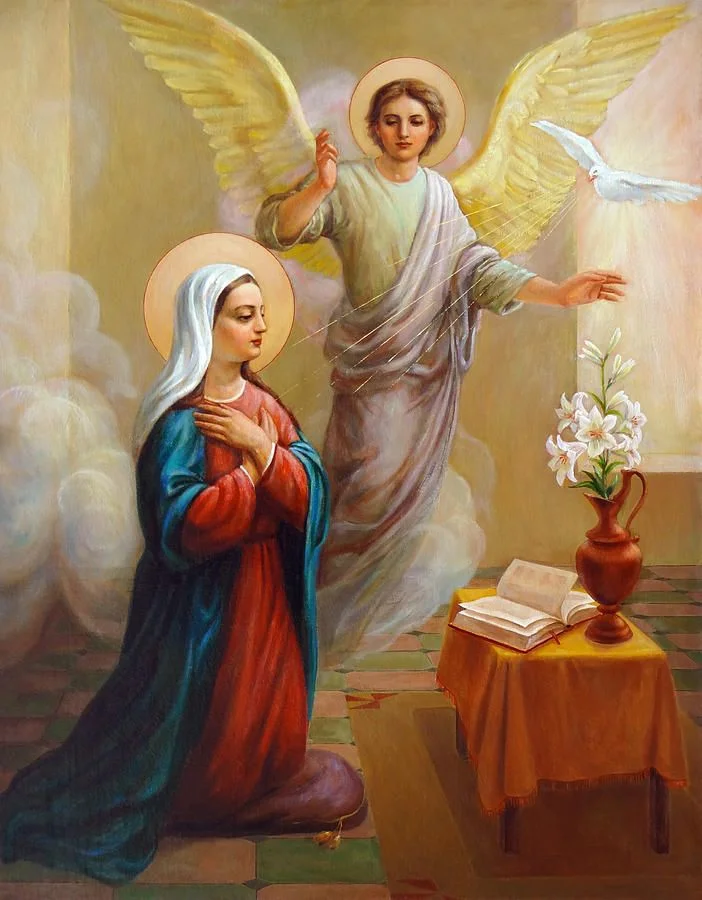
Throughout the Bible, we see how Mary's role as the Mother of God is highlighted. From the Annunciation (Luke 1:26-38) to the Visitation (Luke 1:39-56), she embraced her divine calling with humility and faith. π
One of the most beautiful aspects of Mary's story is her perpetual virginity. In the Gospel of Matthew, it is clear that Joseph did not have marital relations with her until after Jesus' birth (Matthew 1:25). This affirms the belief that Mary remained a virgin throughout her life. π·
Some may question this teaching, but it is important to remember that the Bible is not the only source of truth for Catholic Christians. The Catechism of the Catholic Church, in paragraph 499, states, "The deepening of faith in the virginal motherhood led the Church to confess Mary's real and perpetual virginity even in the act of giving birth to the Son of God made man." π
Moreover, when Jesus was dying on the cross, He entrusted Mary to the care of the beloved disciple, John (John 19:26-27). This demonstrates the unique role Mary plays as the spiritual mother of all humanity. π
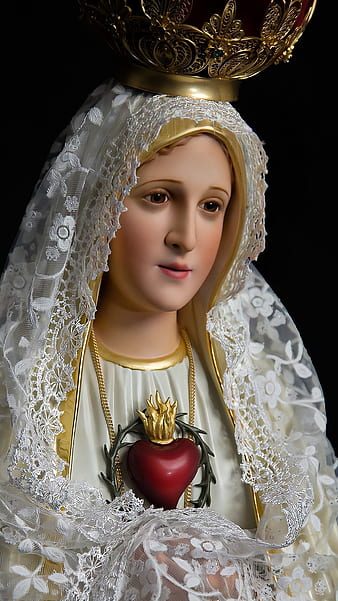
In Catholic tradition, Mary is referred to as the "Queen of Heaven" and "Mother of the Church." This honor is not based solely on human devotion but is deeply rooted in scriptural imagery. In the book of Revelation, Mary is portrayed as a woman clothed with the sun, with the moon under her feet, and a crown of twelve stars on her head (Revelation 12:1). πππ
The lives of Catholic saints provide us with further insight into the significance of Mary's role as Queen and Mother. St. Louis de Montfort, a great Marian devotee, said, "Mary is the Queen of heaven and earth by grace as Jesus is the King by nature and by conquest." πΉ
St. Maximilian Kolbe, another esteemed saint, emphasized Mary's role in our spiritual lives. He stated, "Never be afraid of loving the Blessed Virgin too much. You can never love her more than Jesus did." π
Our love and devotion to Mary should never be a hindrance to our love for Jesus. On the contrary, Mary leads us closer to Jesus, just as she did at the wedding in Cana (John 2:1-12) when she told the servants, "Do whatever he tells you." Mary's guidance points us to her Son. π·ποΈ
It is also important to recognize that our Catholic faith does not worship Mary but honors her as the most perfect disciple and the first among the redeemed. The Catechism of the Catholic Church states in paragraph 971, "The Church's devotion to the Blessed Virgin is intrinsic to Christian worship."
πΈ Mary's intercession has been a source of comfort and miracles for countless Catholics throughout history. Just as she interceded at the Wedding at Cana, she continues to intercede for us in heaven. πΈ
Through the rosary, Catholics meditate on the mysteries of the life of Jesus, guided by the prayers of Mary. This powerful devotion strengthens our spiritual connection to both Jesus and Mary. πΏ
In moments of doubt or difficulty, turning to Mary can bring us solace and hope. She understands our sorrows and joys, as she witnessed the suffering and resurrection of her Son. π
As we honor Mary, Our Queen and Mother, let us recognize her as a guiding light on our journey of faith. She reminds us of the beauty and power of embracing God's will, just like she did when she said, "Behold, I am the handmaid of the Lord; let it be to me according to your word" (Luke 1:38). π
So, dear reader, what are your thoughts on Mary, Our Queen and Mother? How has her example influenced your spiritual journey? Feel free to share your insights and experiences. πΉππ
Updated at: 2023-08-05 13:19:41 (3 years ago by Melkisedeck Leon Shine)
π The Magnificat: Mary's Song of Praise and Gratitude ππΉ
The Magnificat is a beautiful and powerful hymn of praise and gratitude that was sung by the Virgin Mary, the Mother of God, after she received the news that she would conceive Jesus through the Holy Spirit.
In this song, Mary expresses her humble and joyful heart, praising the greatness of God and His mercy towards her. It is a testament to her deep faith and devotion to God.
Mary begins the Magnificat by proclaiming, "My soul magnifies the Lord, and my spirit rejoices in God my Savior" (Luke 1:46-47). These words show her complete trust and surrender to God's plan for her life.
Throughout the song, Mary reflects on the greatness of God's deeds and His mercy towards those who fear Him. She acknowledges that God has chosen her, a lowly and humble servant, to bear the Son of God.
The Magnificat is not only a song of praise but also a prophetic declaration. Mary declares that God has shown His strength by scattering the proud, bringing down the powerful, and lifting up the lowly (Luke 1:51-52).
Mary's song echoes the words of the prophets in the Old Testament, who spoke of God's justice and mercy. She embodies the hope of the Jewish people, who longed for the coming of the Messiah.
The Magnificat is a prayer that reminds us of God's faithfulness and His preferential love for the poor and marginalized. It challenges us to reflect on how we can imitate Mary's humility and generosity in our own lives.
Throughout the centuries, the Magnificat has been a source of inspiration for believers around the world. It has inspired countless hymns, prayers, and works of art that celebrate Mary's role as the Mother of God.
In the Catholic Church, the Magnificat is recited daily during the Evening Prayer of the Liturgy of the Hours. This practice allows us to unite our voices with Mary's in proclaiming God's greatness and praising Him for His blessings.
The Catechism of the Catholic Church teaches us that Mary's Magnificat is a model prayer, inviting us to join in her hymn of thanksgiving and praise (CCC 2619). It encourages us to express our gratitude to God for His goodness and to seek His will in our lives.
Saints throughout history have also recognized the significance of the Magnificat. St. Augustine, for example, described Mary's song as a "fitting response to the divine blessings bestowed upon her" (Sermon 225).
The Magnificat reminds us of Mary's unique role as the Mother of God. As Catholics, we believe that Mary remained a virgin before, during, and after the birth of Jesus. This belief is based on the biblical evidence and the teachings of the Church.
In the Gospel of Matthew, it is stated that Joseph "knew her not until she had borne a son" (Matthew 1:25). This implies that Mary remained a virgin even after giving birth to Jesus.
The early Church Fathers also affirmed Mary's perpetual virginity. St. Jerome, one of the great biblical scholars of the Church, wrote, "The ever-virgin Mary conceived the Son of God in her womb, brought Him forth, and after His birth preserved her virginity intact" (Against Helvidius).
The Magnificat invites us to reflect on Mary's extraordinary faith and her willingness to say "yes" to God's plan, despite the challenges and uncertainties she faced. It encourages us to entrust our lives to God and to praise Him for His goodness and mercy.
In conclusion, the Magnificat is a profound expression of Mary's love for God and her gratitude for His blessings. It is a song that continues to inspire and guide us in our spiritual journey. Have you ever meditated on the Magnificat? What does it mean to you? Share your thoughts and let us know your favorite verse from this beautiful song of praise! πΉπβ¨
Updated at: 2025-07-14 12:26:28 (1 year ago by Melkisedeck Leon Shine)
```htmlIn Christian theology, particularly within the Roman Catholic tradition, the Virgin Mary occupies a position of profound significance within what is known as the divine economy of salvation β God's overarching plan for the redemption of humanity. This plan unfolds through key moments and figures, and Mary's role, characterized by grace, obedience, and unique privilege, is central to understanding the incarnation and subsequent salvation offered through Jesus Christ. We will explore the multifaceted dimensions of Mary's involvement, highlighting her indispensable contribution to the salvific narrative.
The Annunciation: A Paradigm of Obedience and Faith: The narrative commences with the Annunciation, as recounted in the Gospel of Luke (1:26-38). The angel Gabriel's appearance to Mary, her acceptance of God's call to conceive Jesus through the Holy Spirit, marks a pivotal juncture. This moment embodies the concept of *fiat*, or "let it be done," demonstrating Mary's unwavering faith and obedience to the divine will. This event is a practical application of covenant theology, where God initiates a promise and Mary's "yes" is the human response, setting in motion the fulfillment of salvation history. Like in Finding Strength in Transition: A Biblical Guide to Navigating Change with Faith, Mary embraced a life-altering change with faith.
The Immaculate Conception: Divine Preparation: The doctrine of the Immaculate Conception, formally defined in Catholic dogma, posits that Mary was conceived without original sin. This is not to suggest that Mary didn't need salvation, but rather that she was redeemed in a unique and prevenient way, in anticipation of the merits of her Son. This grace prepared her to be a worthy vessel for the incarnation, aligning with the theological principle of *gratia praeveniens* β the grace that precedes and enables human action toward God. This preparation mirrors the proactive approach needed in other areas, like 15 Proven Strategies for Proactive Business Risk Mitigation, where preparation is key to success.
The Mother of God (Theotokos): Incarnation and Divine-Human Union: Mary's title as *Theotokos*, Greek for "God-bearer" or "Mother of God," affirmed at the Council of Ephesus, underscores the profound reality of the Incarnation. Through Mary, God the Son took on human flesh (John 1:14), uniting divinity and humanity in the person of Jesus Christ. This concept illustrates the hypostatic union β the union of Christ's two natures, human and divine, in one person. Mary's motherhood is not merely biological; it's the foundational condition for the enfleshment of the Word. This role highlights the power and significance of motherhood, echoing themes found in Parenting Styles Today: A Comprehensive Guide for Modern Families.
Perpetual Virginity: A Sign of Consecration: The doctrine of Mary's perpetual virginity asserts that she remained a virgin before, during, and after the birth of Jesus. This belief signifies her complete consecration to God and her unique role in salvation history. While debated among various Christian denominations, it's understood within the Catholic tradition as a sign of her total dedication to God's plan, unburdened by other earthly ties. This notion resonates with the idea of focusing on one's strengths, as highlighted in Unlocking Career Success: A Strengths-Based Approach.
The Visitation: Recognizing the Divine Presence: Mary's visit to her cousin Elizabeth (Luke 1:39-45) is a powerful encounter. Elizabeth's recognition of Mary as the Mother of God, and the leaping of John the Baptist in her womb, demonstrate the recognition of Jesus' divine presence even before birth. This episode showcases the concept of *koinonia* β a fellowship or communion centered on shared faith and recognition of the sacred. This also highlights the power of connection, similar to the bonds explored in Long-Distance Friendships: Proven Ways to Build Deep Connections.
The Magnificat: A Song of Liberation and Justice: Mary's Magnificat (Luke 1:46-55) is a revolutionary prayer that expresses her humility, gratitude, and profound understanding of God's preferential option for the poor and marginalized. It echoes themes of social justice and liberation, reflecting a world turned upside down by God's grace. This prayer is a testament to the power of faith in action, reminiscent of the principles of Unlocking Africa's Potential: 15 Mindset Shifts for Unity and Prosperity, which calls for a transformed mindset to achieve societal change.
The Nativity: Humility and Fulfillment: The birth of Jesus in a humble stable in Bethlehem (Luke 2:1-20) underscores the paradox of God's incarnation β divine majesty entering the world in poverty and simplicity. Mary's role in this event is crucial, as she nurtures and protects the infant Jesus, fulfilling ancient prophecies and initiating the era of salvation. This moment symbolizes new beginnings, much like the fresh starts explored in Transform Your Life: A Practical Guide to Breaking Bad Habits.
The Presentation in the Temple: Prophecy and Foreshadowing: Mary and Joseph's presentation of Jesus in the Temple (Luke 2:22-35) is a significant event. Simeon's prophecy foretells both Jesus' destiny and the suffering Mary will endure, highlighting her participation in Christ's redemptive mission. This foreshadowing introduces the theme of *compassion*, Mary's willingness to share in her Son's suffering for the sake of humanity.
The Flight into Egypt: Protection and Perseverance: The Holy Family's flight into Egypt (Matthew 2:13-15) demonstrates their vulnerability and the threats faced by Jesus from the very beginning. Mary's role is that of a protector, safeguarding her Son from harm and persevering through hardship. This act of protecting the vulnerable resonates with themes of nurturing and safeguarding those in need.
The Finding in the Temple: Maternal Concern and Divine Wisdom: The story of finding Jesus in the Temple (Luke 2:41-52) reveals Mary's maternal concern and her eventual understanding of Jesus' unique relationship with God. This event underscores the tension between Jesus' earthly family and his divine mission, highlighting the gradual unfolding of Mary's understanding of God's plan. It highlights the importance of understanding and communication within family dynamics.
The Wedding at Cana: Intercession and Manifestation of Glory: At the Wedding at Cana (John 2:1-12), Mary's intercession prompts Jesus to perform his first public miracle, turning water into wine. This event demonstrates Mary's role as an advocate and intercessor, highlighting her concern for the needs of others and her ability to mediate divine grace. This illustrates the power of proactive problem-solving and resourcefulness.
The Crucifixion: Co-Redemptrix and Spiritual Motherhood: Mary's presence at the foot of the Cross (John 19:25-27) marks the culmination of her participation in Christ's redemptive suffering. Her unwavering faith and sorrowful compassion exemplify her role as *Co-Redemptrix* (a debated title) and spiritual mother of all believers. Jesus' entrustment of Mary to John signifies the extension of her motherhood to the entire Church. The crucifixion highlights the themes of resilience and finding strength in difficult times, as explored in Heartbreak to Healing: Finding Strength and Resilience Through Gratitude.
The Assumption: Triumph and Eschatological Hope: The Assumption of Mary, body and soul, into heaven signifies her complete union with God and her triumph over death. This event foreshadows the ultimate destiny of all believers and offers hope for the resurrection of the body. The Assumption emphasizes the themes of hope and eternal life.
The Coronation: Queen of Heaven and Earth: Mary's coronation as Queen of Heaven and Earth recognizes her exalted status and her continued intercession for all believers. This title acknowledges her unique role in God's plan and her ongoing concern for the welfare of humanity. This event symbolizes recognition of hard work and dedication.
The Rosary: A Pathway to Contemplation and Intercession: The Rosary, a prayer deeply rooted in Marian devotion, provides a structured pathway to contemplate the mysteries of Christ's life through the eyes of Mary. Through the repetition of Hail Mary prayers, believers honor Mary and seek her intercession, fostering a deeper connection with Jesus. The Rosary serves as a tool for mindfulness and spiritual reflection.
Conclusion and Recommendations
The Virgin Mary's role in God's plan of salvation is undeniably significant, intricately woven into the fabric of Christian belief and practice. Her acceptance of God's will, her unique privileges, and her unwavering faith make her a model for all believers. Reflecting on Mary's significance invites a deeper understanding of the Incarnation, the redemptive power of Christ's sacrifice, and the call to discipleship.
Recommendations: Further research could explore the varying perspectives on Mary's role across different Christian denominations, fostering ecumenical dialogue and a richer understanding of her significance. Additionally, studying the impact of Marian devotion on art, literature, and culture can provide valuable insights into her enduring influence. Examining the psychological and sociological aspects of Marian devotion can also offer a nuanced perspective on its appeal and impact on individuals and communities.
Impacts and Applicability: Understanding Mary's role has profound implications for personal faith, spiritual growth, and engagement with the world. Her example encourages humility, obedience, and a willingness to embrace God's will, even when it is challenging. Her intercessory role offers comfort and hope, fostering a sense of connection with the divine. Practically, emulating Mary's virtues can lead to more compassionate, empathetic, and service-oriented lives.
Further Research: Future research could delve into the historical context of Marian doctrines, tracing their development and evolution over time. Comparative studies examining Marian devotion in different cultural contexts could also provide valuable insights into its adaptability and relevance in diverse settings.
Reader Pool: How might a deeper understanding of Mary's role in salvation history influence one's personal spiritual journey and engagement with social justice issues?
Related Posts
Updated at: 2023-08-05 13:19:51 (3 years ago by Melkisedeck Leon Shine)
πΉ The Rosary: Unlocking the Mysteries of Christ with Mary πΉ
Introduction: The Rosary is a powerful prayer that allows us to delve deep into the mysteries of Christ's life, death, and resurrection, all while seeking the intercession and guidance of the Blessed Virgin Mary. πΏβ¨
The Power of the Rosary: Through the repetition of Hail Marys and the meditation on the mysteries, the Rosary becomes a spiritual journey where we can encounter the presence of Christ and experience the loving embrace of His mother, Mary. ππ
Mary's Role in our Spiritual Lives: As Catholics, we believe that Mary holds a special place in the divine plan of salvation. Just as she played a pivotal role in the Incarnation, Mary continues to lead us closer to her Son, Jesus. πΉποΈ
The Joyful Mysteries: The first set of mysteries invites us to reflect on the joyful moments in the life of Christ and His mother. We meditate on the Annunciation, the Visitation, the Nativity, the Presentation, and the Finding of Jesus in the Temple. These mysteries remind us of God's infinite love and the joy found in surrendering our lives to Him. ππΌ
The Sorrowful Mysteries: In the second set of mysteries, we contemplate the painful moments leading up to Jesus' crucifixion. Through the Agony in the Garden, the Scourging at the Pillar, the Crowning with Thorns, the Carrying of the Cross, and the Crucifixion, we are reminded of Christ's sacrifice for our salvation. Mary's presence during these moments offers solace and strength. ππ
The Glorious Mysteries: The third set of mysteries brings us to the triumphant resurrection of Jesus and the glorious moments that followed. Meditating on the Resurrection, the Ascension, the Descent of the Holy Spirit, the Assumption of Mary, and the Coronation of Mary, we find hope in the promise of eternal life and the intercessory role of Mary as Queen of Heaven. β¨π
The Luminous Mysteries: Introduced by Saint John Paul II, the Luminous Mysteries shed light on the public ministry of Jesus. They invite us to reflect on His Baptism in the Jordan, the Wedding at Cana, the Proclamation of the Kingdom, the Transfiguration, and the Institution of the Eucharist. These mysteries deepen our understanding of Christ's mission and His presence in the sacraments. π¦π·
The Power of Mary's Intercession: Mary is not only our spiritual mother but also a powerful intercessor before God. Just as she interceded at the Wedding at Cana, she continues to listen to our prayers and present them to her Son. Through the Rosary, we can seek her assistance in our spiritual journey, knowing that she desires nothing more than to lead us closer to Christ. πΉπ
Biblical Examples of Mary's Importance: In Luke 1:28, the angel Gabriel greets Mary with the words, "Hail, full of grace, the Lord is with you." This shows that Mary was chosen by God for a special role in salvation history. Jesus also honored her at the wedding in Cana, where He performed His first miracle at her request (John 2:1-11). These examples affirm Mary's significant role in our faith. ππ
The Catechism and Mary's Perpetual Virginity: The Catechism of the Catholic Church teaches that Mary remained a virgin before, during, and after the birth of Jesus (CCC 499-507). This belief reflects the reverence and honor we hold for Mary as the Mother of God and her lifelong commitment to purity and fidelity. πΉπ
The Witness of Catholic Saints: Throughout history, many Catholic saints have expressed a deep love and devotion to Mary. Saint Louis de Montfort, for example, wrote extensively about the power and importance of the Rosary in his book "The Secret of the Rosary." Saint Teresa of Calcutta, also known as Mother Teresa, once said, "The Rosary is a powerful weapon to put the devil to flight." These saints recognized the spiritual significance of the Rosary and Mary's intercession. πΏβοΈ
The Importance of Praying the Rosary: Praying the Rosary helps us to enter into a deeper relationship with Christ and to meditate on the mysteries of His life. It allows us to seek Mary's guidance and intercession, knowing that she is a loving and compassionate mother. The Rosary brings us closer to the heart of Jesus and helps us to unlock the mysteries of our faith. πΉπ
The Transformative Power of the Rosary: By regularly praying the Rosary, we open ourselves to the transforming power of God's grace. Mary, our gentle guide, leads us on a spiritual journey where we can discover a deeper understanding of Jesus' life, death, and resurrection. Through this prayer, we become more attentive to God's presence in our lives and are inspired to live out our faith with joy and love. πβ¨
Conclusion: The Rosary is a beautiful and profound prayer that invites us to unlock the mysteries of Christ alongside His mother, Mary. It is a pathway to encounter the love of God and to deepen our relationship with Jesus. Let us embrace this powerful tool of prayer and seek Mary's intercession as we journey closer to Christ. πΉπ
Do you find solace in the Rosary? Share your thoughts and experiences in the comments below! πΏπ
Updated at: 2025-06-23 09:06:36 (1 year ago by Melkisedeck Leon Shine)
```htmlIntroduction: Defining Key Concepts
This article explores the theological concept of Mary as Mediatrix, examining her role within Catholic theology and its implications for the spiritual lives of believers. We will define key terms: mediation, in this context, refers to Mary's role as an intercessor, not as a rival to Christ's unique mediation but as a conduit of divine grace. Intercession is the act of pleading on behalf of another. This exploration draws upon biblical passages, theological principles, and the historical understanding of Mary's place within the Christian faith. We will analyze the significance of Mary's role through the lens of various theological models and frameworks, including the concept of divine grace and its transmission within the context of salvation.
Mary's Divine Motherhood and Intercessory Role
The foundational basis for understanding Mary's role as Mediatrix is her divine motherhood. Luke 1:43, where Elizabeth proclaims Mary "the mother of my Lord," establishes Mary's unique relationship with Jesus, the Son of God. This divine motherhood, however, does not diminish Christ's unique mediatorship but rather provides a framework for understanding Mary's intercessory role. Theological models that emphasize the interconnectedness of the Trinity (e.g., Trinitarian theology) can illuminate this dynamic, suggesting that Mary's intercession is an expression of the divine economy, not a subversion of it. This is consistent with the principle of plenitude, where Godβs actions are both supremely powerful and simultaneously graceful and merciful. The relationship between Mary's intercession and divine grace aligns with the concept of instrumental causality, where God utilizes secondary causes (in this case, Mary's prayer) to achieve His purposes.
Biblical Examples of Mary's Intercession
The wedding at Cana (John 2:1-12) serves as a prime example of Mary's intercessory role. Her intervention prompts Jesus's first miracle, illustrating her capacity to influence His actions on behalf of others. This episode demonstrates the efficacy of prayer and its influence on divine action. This can be understood using the framework of communicatio idiomatum, emphasizing the union between Christ's humanity and divinity, suggesting Mary's appeal to him leveraged his divine nature while simultaneously respecting his human experience. This model highlights the interaction between divine sovereignty and human participation in the divine plan.
Mary in Catholic Devotion and Tradition
Catholic devotion, particularly the Rosary, highlights Mary's mediatorial role. The repetitive prayer of the Hail Mary explicitly requests her intercession. The Rosary itself can be viewed through the lens of participatory theologies, emphasizing the active role of believers in cooperating with God's grace. This active participation is further reinforced by the theological concept of sanctification, wherein the believer gradually becomes more holy and Christ-like. The saints' unwavering faith in Mary's mediation further supports this aspect, underscoring the historical understanding of her role within the Catholic Church.
Mary's Role in the Ecclesial Context
The Catholic Church's consistent affirmation of Mary's mediatorship underscores its theological significance. Statements by Popes, such as Pope St. John Paul IIβs reflections on Mary's role in the mystery of redemption, emphasize her position as Mother of Christ and mother to humanity. This perspective aligns with the Church's understanding of the communion of saints, highlighting the interconnectedness of believers across time and space. It also emphasizes the ecclesial nature of salvation, suggesting that the Church is not merely an institution but a living body united in Christ and actively participating in God's saving grace, mirroring the communal aspects of the early church as depicted in the Acts of the Apostles.
The Assumption and Mary's Heavenly Glory
The dogma of the Assumption underscores Mary's unique relationship with Christ, affirming her bodily ascension into heaven. This belief signifies her ultimate triumph over sin and death, reinforcing her role as a model of faithful discipleship. This aligns with the broader Christian concept of eschatology, the study of final things, suggesting a preview of the ultimate victory over death and the promise of heavenly glory. The Assumption can be viewed as a prefiguration of the future hope for all believers, underscoring the significance of Mary's example in the context of Christian discipleship. The theological implications of this belief point to the eschatological fulfillment of salvation history.
Mary's Maternal Love and Our Personal Relationship with Her
Mary's maternal love, evident in her care for Jesus and her continued solicitude for humanity, encourages a personal relationship with her as a loving mother. This personal aspect resonates with the concept of agape, the self-sacrificing love characteristic of God's love for humanity. Her example fosters a deep, nurturing connection with believers seeking guidance and support in their spiritual journeys. Mary's role isn't solely theological; it's profoundly pastoral, providing comfort, guidance, and an example of faith and surrender.
Conclusion and Recommendations
The theological exploration of Mary as Mediatrix reveals a profound and multifaceted understanding of her role within the Christian faith. Her intercessory role, rooted in her divine motherhood and supported by biblical examples and theological reflection, offers believers a powerful model of faith and surrender. Future research could explore further the relationship between Mary's mediatorship and contemporary theological debates, specifically investigating comparative approaches from different Christian denominations. Analyzing different devotional practices focused on Mary across cultures and their impact on the spiritual formation of believers could also provide further insights. The concept of Marian devotion requires continued analysis and discussion to fully understand its nuances and impact on the Christian faith.
Reader Pool:
Considering the various theological perspectives presented, how might a deeper understanding of Mary's mediatorship enrich contemporary approaches to prayer and spiritual growth within the Christian community?
```
Updated at: 2025-06-05 10:09:12 (1 year ago by Melkisedeck Leon Shine)
```htmlIntroduction: Conceptualizing Grief and the Marian Paradigm
Grief, a ubiquitous human experience, is characterized by profound emotional distress following loss. This article examines grief through a theological lens, specifically exploring the Marian paradigmβutilizing the life and sorrows of the Virgin Mary as a framework for understanding and coping with personal loss. We will analyze the Seven Sorrows of Mary, applying relevant psychological and theological frameworks to illustrate how her experiences offer profound spiritual and emotional resonance for those navigating grief. Key concepts include the stages of grief (KΓΌbler-Ross model), spiritual coping mechanisms, and the concept of intercessory prayer within the Catholic faith.
The Seven Sorrows: A Spiritual Journey Through Loss
The Catholic tradition delineates seven sorrows experienced by Mary, each representing a distinct phase of loss and suffering. These events provide a powerful model for understanding the multifaceted nature of grief. Each sorrow, examined below, offers unique insights into the process of mourning and finding spiritual resilience amidst profound pain. The sequence reflects a chronological progression, allowing for a systematic exploration of Maryβs journey and its relevance to personal experiences of grief.
1. The Prophecy of Simeon: Anticipating Loss and the Acceptance of Suffering
Simeon's prophecy foreshadowed Maryβs future suffering, introducing the concept of preemptive grief β the anticipation of an impending loss. This highlights the importance of emotional preparation and acceptance in the grief process. Theological understanding of divine will and acceptance of suffering are central themes mirroring concepts found in existential therapy which emphasizes the acceptance of life's inherent suffering.
2. The Flight into Egypt: Navigating Trauma and Finding Sanctuary
The Flight into Egypt exemplifies the experience of trauma and displacement within the grief process. Mary's resilience in seeking refuge and protection parallels the need for individuals experiencing grief to find secure environments and supportive relationships. This aligns with the attachment theory which postulates that secure attachment figures are crucial for navigating stressful life events.
3. The Loss of the Child Jesus in the Temple: Experiencing Anxiety and the Restoration of Hope
This sorrow exemplifies the acute anxiety and fear associated with loss, even temporary separation. The eventual reunion with Jesus symbolizes the potential for restoration of hope and the power of faith amidst despair. This resonates with the cognitive behavioral therapy (CBT) approach, which focuses on reframing negative thoughts and restoring a sense of control.
4. Mary's Encounter with Jesus on the Way to Calvary: Witnessing Suffering and Empathetic Connection
Mary's participation in Jesus' suffering exemplifies the concept of vicarious trauma β experiencing emotional distress by witnessing the pain of others. This emphasizes the importance of emotional support and the power of shared experience in alleviating grief. This echoes the tenets of social support theory which emphasizes the role of social networks in buffering against stress.
5. The Crucifixion: Confronting Ultimate Loss and the Transcendence of Faith
The Crucifixion represents the ultimate loss, reflecting the profound impact of death and the intense emotional responses associated with it. Mary's unwavering faith, despite the immense sorrow, underscores the potential for spiritual growth and finding meaning amidst profound loss. The concept of faith as a coping mechanism is central to various theological and psychological frameworks.
6. The Deposition from the Cross: Experiencing the Physicality of Grief and the Power of Ritual
This sorrow highlights the physical and sensory aspects of grief β the visceral experience of holding a deceased loved one. The ritual of the Deposition offers a powerful model for the importance of acknowledging and expressing grief through rituals and ceremonies. This aligns with the significance of mourning rituals across diverse cultures.
7. The Burial of Jesus: Accepting Finality and Embracing Hope in Resurrection
The Burial symbolizes the acceptance of finality and the beginning of the healing process. Mary's faith in the resurrection offers hope and a promise of future reunion, mirroring the importance of finding meaning and purpose in the face of loss. This resonates with the stages of grief model (KΓΌbler-Ross), specifically the acceptance stage.
Mary as a Model for Navigating Grief: Theological and Psychological Perspectives
Maryβs unwavering faith, coupled with her deep empathy and compassion, offers a powerful model for those experiencing grief. Her journey underscores the importance of: seeking spiritual solace, maintaining social connections, engaging in self-care practices, and utilizing healthy coping mechanisms. This aligns with various therapeutic approaches that emphasize these strategies in grief management.
Conclusion and Recommendations
This exploration of Mary's sorrows offers a multi-faceted approach to understanding grief, drawing upon theological reflection and psychological theory. The Marian paradigm provides a framework for individuals experiencing loss, emphasizing the role of faith, community, and ritual in navigating this challenging life stage. Further research could explore the efficacy of using the Marian model as a therapeutic intervention for grief counseling, focusing on qualitative studies to assess its impact on individualsβ emotional and spiritual well-being. The applicability of this framework transcends religious boundaries, offering a powerful illustration of resilience and the human capacity for hope amidst suffering. The study of various religious and cultural perspectives on grief could enrich future understanding of this universally shared experience.
Reader Pool: How might a deeper understanding of the Marian paradigm inform the development of more effective grief counseling techniques, incorporating both spiritual and psychological approaches?
```
Updated at: 2023-08-05 13:20:14 (3 years ago by Melkisedeck Leon Shine)
πΉ Mary's Patronage of the Dying and Souls in Purgatory πΉ
Mary, the Mother of God, holds a special place in the hearts of Catholics worldwide. She is not only the mother of Jesus but also a powerful intercessor and patroness for various aspects of our lives. One of the areas where her patronage is particularly important is in the care and support of the dying and the souls in purgatory.
The Catholic Church teaches that Mary, as the mother of Jesus, has a unique and special role in the spiritual journey of every believer. Just as she stood by her son on the cross, she continues to accompany us in our moments of suffering and pain. Her maternal love and intercession are a source of comfort and hope for those who are nearing the end of their earthly lives.
π Mary's patronage of the dying is beautifully depicted in the story of the crucifixion. As Jesus hung on the cross, he entrusted his beloved disciple John to the care of his mother, saying, "Woman, behold your son." In that moment, Mary became not only the mother of Jesus but also the spiritual mother of all humanity. This act symbolizes her ongoing role in our lives, especially during our final moments on earth.
The Catechism of the Catholic Church reminds us of the significance of Mary's companionship during the time of death: "Mary's role in the Church is inseparable from her union with Christ and flows directly from it." She is there to console and guide us as we prepare to meet the Lord. Her loving presence brings solace and peace to those who are about to pass from this life to the next.
In addition to her patronage of the dying, Mary also intercedes for the souls in purgatory. Purgatory is a temporary state of purification for those who have died in a state of grace but still need to be cleansed of their sins before entering into the fullness of heaven. Mary's intercession is a powerful aid in helping these souls complete their journey of purification.
π―οΈ The devotion to Mary, particularly through prayers such as the Rosary and the Memorare, is a way for Catholics to seek her intercession for the souls in purgatory. Just as a loving mother cares for her children, Mary's love extends beyond this life and into the next. She desires to help these souls reach their heavenly home, and her intercession is a source of great comfort and hope.
The early Christian writer St. Gregory the Great once said, "The holy souls in purgatory have a special bond with the Blessed Virgin. She can obtain their release from purgatory through her intercession." This statement reflects the belief that Mary's intercession has the power to alleviate the sufferings of the souls in purgatory and speed up their journey to eternal union with God.
π One biblical example of Mary's concern for souls in purgatory can be found in the book of Maccabees. After a battle, Judas Maccabeus found that some of his soldiers had died while wearing amulets containing pagan symbols. Recognizing that this action was a form of idolatry, he collected money to send to Jerusalem for a sin offering to be made on their behalf. This act of intercession for the dead demonstrates the importance of praying for the souls in purgatory, and we can be certain that Mary, whose love surpasses all understanding, intercedes for them as well.
The Catechism of the Catholic Church states, "All who die in God's grace and friendship, but still imperfectly purified, are indeed assured of their eternal salvation; but after death, they undergo purification, so as to achieve the holiness necessary to enter the joy of heaven." Mary's patronage and intercession play a vital role in this purification process, offering comfort and assistance to those who are in need.
π When we turn to Mary as the patroness of the dying and souls in purgatory, we recognize her unique relationship to Jesus as his mother and our spiritual mother. Just as a loving mother watches over her children, Mary watches over us in our time of need. She intercedes for us and brings our prayers before the throne of God, guiding us through the challenges of life and ultimately leading us to eternal glory.
π As Catholics, we are encouraged to develop a personal relationship with Mary and seek her intercession in all aspects of our lives. When it comes to the care of the dying and the souls in purgatory, we can trust in her maternal love and powerful intercession. Mary desires to bring comfort and peace to those who are suffering and to assist the souls in purgatory in their journey towards heaven.
Mary's patronage of the dying and souls in purgatory reminds us of the importance of prayer, especially for those who are nearing the end of their earthly journey. Through our prayers and intercession, we can join Mary in offering comfort, hope, and support to those on the threshold of eternity.
πΉ Let us remember the words of Jesus on the cross, when he entrusted us to the care of his mother. Just as she stood by him in his suffering, she stands by us in our moments of pain and loss. Mary's patronage of the dying and souls in purgatory is a testament to her unwavering love for all humanity.
π May we turn to Mary, the Mother of God, in times of need, especially when facing the reality of death and the purification of the souls in purgatory. Her intercession is a source of great comfort and strength, leading us ever closer to the loving embrace of our Heavenly Father.
What are your thoughts on Mary's patronage of the dying and souls in purgatory? Do you have any personal experiences or favorite prayers to share? Let us continue to seek Mary's intercession and honor her as our mother and advocate in heaven. ππΉ
Updated at: 2023-08-05 13:20:02 (3 years ago by Melkisedeck Leon Shine)
Mary, Mother of God: An Exemplar of Humility πΉ
π In the Christian faith, Mary, the Mother of God, holds a special place in the hearts of believers. Her unwavering faith, humility, and obedience to God's will serve as an inspiration to all Christians.
π Mary's humility is evident from the very beginning, when the angel Gabriel appeared to her and announced that she would conceive a child, Jesus, by the power of the Holy Spirit. Instead of boasting or seeking glory, she humbly accepted this divine mission, saying, "Behold, I am the handmaid of the Lord; let it be to me according to your word" (Luke 1:38).
π Throughout her life, Mary remained humble, always putting God's will above her own desires. She did not seek recognition or praise for being the mother of the Son of God; instead, she embraced her role with grace and humility.
π· One example of Mary's humility can be seen at the wedding feast of Cana (John 2:1-12). When the wine ran out, Mary approached Jesus and simply said, "They have no wine" (John 2:3). She did not demand a miracle or draw attention to herself. Instead, she trusted in her son's divine power and humbly presented the situation to him.
β¨ Another powerful example of Mary's humility can be found at the foot of the cross, where she stood with unwavering faith and love for her son. Despite the tremendous pain and sorrow she experienced, Mary did not question God's plan or harbor resentment. Instead, she remained humble, trusting in God's ultimate purpose.
π The Catechism of the Catholic Church also highlights Mary's humility, stating, "Mary is the perfect Orans (pray-er), a figure of the Church. When we pray to her, we are adhering with her to the plan of the Father, who sends his Son to save all men. Like the beloved disciple, we welcome Jesus' mother into our homes" (CCC 2679).
π Saint Bernard of Clairvaux, a renowned Catholic saint, eloquently described Mary's humility, saying, "Mary is the stairway to heaven; the humblest of creatures, the most high; the most lowly, yet the most exalted; the most hidden, yet the most well known; the most despised, yet the most cherished."
πΉ Mary's humility serves as a powerful reminder to all Christians that true greatness lies in humbling ourselves before God. In a world that often values pride and self-promotion, Mary's example calls us to embrace humility as a virtue.
π As we reflect on Mary's humility, we can learn to surrender our own will to God's plan and trust in His providence. Like Mary, we are called to say, "Let it be to me according to your word," and entrust ourselves fully to God's loving care.
π· Mary's humility also teaches us the importance of recognizing that everything we have and are is a gift from God. By humbly acknowledging our dependence on Him, we open ourselves up to His grace and blessings.
π Furthermore, Mary's humility invites us to serve others with selflessness and love. As Pope Francis said, "Mary is the one who knows how to welcome the love of God and how to give it. She is the model of how to respond to Godβs call, with joy and courage, saying 'yes' to Him without hesitation."
π The Bible tells us that "God opposes the proud, but gives grace to the humble" (James 4:6). Mary's humility allowed her to receive God's grace in abundance and become the Mother of God.
β¨ As we contemplate Mary's humble heart, let us strive to imitate her in our own lives. Let us seek to be humble in our thoughts, words, and actions, always putting God and others before ourselves.
πΉ In times of success, let us remember to give glory to God, acknowledging that any achievements are His blessings. And in times of difficulty, let us trust in His plan, knowing that He is with us every step of the way.
π So, dear reader, what are your thoughts on Mary, Mother of God, as an exemplar of humility? How can we learn from her example and cultivate humility in our own lives? Share your insights and reflections below!
Updated at: 2025-06-19 15:28:20 (1 year ago by Melkisedeck Leon Shine)
This article explores the multifaceted theological concept of Mary's queenship within Catholic Christianity, examining its biblical foundations, theological interpretations, and spiritual significance. Key terms will be defined to ensure clarity. "Theotokos," meaning "God-bearer," is the title bestowed upon Mary, highlighting her unique role in the incarnation of Jesus Christ. "Queenship," in this context, refers not to earthly power, but to a spiritual and eschatological elevation reflecting Mary's unique relationship with God and her Son.
Theological Underpinnings of Mary's Elevated Status: The doctrine of the Assumption, while not explicitly stated in scripture, is a deeply held belief within the Catholic tradition. This dogma posits that Mary, having completed her earthly life, was taken body and soul into heaven, anticipating the general resurrection of all believers (Catechism of the Catholic Church). This event is interpreted as a singular participation in the victory of Christ over death and sin, reflecting her unparalleled holiness and closeness to God. This interpretation aligns with the concept of kenosis, the self-emptying of God in the incarnation, mirrored in Mary's complete surrender to God's will.
Biblical Interpretations and Patristic Tradition: While not directly stated, biblical passages offer symbolic interpretations supporting Mary's exalted status. The woman clothed with the sun in Revelation 12 is frequently understood as an allegorical representation of Mary, signifying her role as the mother of the Messiah. Further support arises from early Church Fathers such as St. Augustine and St. Jerome, who viewed Mary as the "New Eve," whose obedience counteracted the disobedience of Eve, thus restoring humanity's relationship with God. Their writings provide early evidence of the developing theological understanding of Maryβs unique position. This reflects the application of typological interpretation in biblical hermeneutics.
Mary as Intercessor and Spiritual Mother: Mary's queenship is intrinsically linked to her role as Theotokos and spiritual mother. Jesus' words from the cross ("Behold, your mother!") (John 19:27) establish Mary as an intercessor, a powerful advocate for humanity before God. This concept is rooted in the theology of mediation, where Mary's role is not to usurp God's power but to act as a conduit of grace, guiding believers in their spiritual journeys. This role is understood within the broader framework of ecclesiology, recognizing the Churchβs role in mediating God's grace.
Mary's Perpetual Virginity and its Significance: The doctrine of Mary's perpetual virginity, encompassing her virginity before, during, and after the birth of Jesus, further underscores her unique holiness and purity. This belief reinforces the idea of her complete dedication to God and highlights her role as a model of faith and obedience. It emphasizes the miraculous nature of Jesus' conception and birth, emphasizing the supernatural aspects of the Incarnation.
Marian Titles and Their Theological Implications: The various titles given to Mary, such as "Queen of Heaven," "Queen of All Creation," and "Queen of Saints," reflect the different facets of her elevated position. These titles, developed throughout centuries of theological reflection, express the depth and breadth of her role within the Christian faith. The use of such titles provides a rich tapestry for understanding her spiritual significance, as each title reflects specific aspects of her role. This is an example of how theological language shapes understanding and devotion.
Theological Significance and Implications: The devotion to Mary as Queen of Heaven is not intended to divert worship from God but to honor her unique place within the divine plan of salvation. This is understood through the principle of latria (worship of God alone) and dulia (veneration of saints). This distinction emphasizes the proper understanding of the relationship between divine and human devotion.
Conclusion and Recommendations: The theological understanding of Mary's queenship offers a profound reflection on the mysteries of faith, emphasizing her unique role in the salvation narrative. This complex theological concept invites further exploration, specifically researching the evolution of Marian titles and their impact on Catholic spirituality across diverse cultures. Understanding Mary's role within the broader context of systematic theology is crucial for a holistic understanding of the Catholic faith. This study could employ methods of historical theology, examining the development of these concepts over time, alongside systematic theology, analyzing their logical relationships within the entire theological system.
Reader Pool: Considering the complexities of Marian theology and the diversity of interpretations, what are the implications of the concept of Mary's queenship for contemporary interfaith dialogue?
Updated at: 2025-06-05 10:39:49 (1 year ago by Melkisedeck Leon Shine)
Mary's Maternal Love: A Haven of Hope in Adversity
Introduction: Defining Key Concepts
This discourse examines the multifaceted concept of Mary's maternal love within the Catholic faith, exploring its theological significance and practical application in navigating life's challenges. We will analyze this maternal love through several lenses: unconditional love, divine intercession, spiritual guidance, and solace in times of hardship. The concept of "maternal love" here refers to a boundless, selfless, and protective love mirroring the ideal of motherhood, while "divine intercession" denotes Mary's role as a mediatrix between humanity and God. We will also touch upon relevant theological frameworks such as the Marian doctrines and their historical influence. Finally, the lens of "spiritual guidance" will explore Mary's role as an exemplar of faith and a source of inspiration for believers.
The Paradigm of Unconditional Love
Mary's love for Jesus exemplifies the archetype of unconditional love. Her unwavering commitment, as articulated in the Magnificat (Luke 1:46-55), showcases a complete surrender to God's will, even amidst the foreseen suffering of her son. This selfless devotion serves as a powerful model of unconditional love, underscoring the importance of prioritizing the well-being of loved ones above personal comfort, particularly when facing adversity. This aligns with the concept of agape, the selfless, sacrificial love described in Christian theology. Applying this in a contemporary setting means prioritizing the needs of family and community, even when demanding or uncomfortable.
Mary's Intercessory Role: A Bridge to Divine Grace
Catholic theology posits Mary's intercession as a potent source of spiritual support. Her role at the wedding at Cana (John 2:1-11) serves as a prime example of her ability to intercede for humanity's needs. This concept is grounded in the belief of her unique position as the Mother of God. This intercession is not seen as bypassing Christ but rather as a collaborative effort within the Trinitarian framework. The efficacy of her intercession is predicated on her complete devotion to God's will, making her a worthy mediator. In a practical context, this encourages faithful prayer, trusting in Mary's role to present our petitions to God, thereby fostering a deeper connection with divine grace. This is consistent with the concept of the communion of saints, where the faithful pray to each other for mutual spiritual support.
Spiritual Guidance and Exemplary Living
Mary's life serves as a beacon of spiritual guidance for believers. Her obedience, humility, and unwavering faith in God's plan, exemplified throughout the Gospels, offer a powerful example for Christian discipleship. Her role in guiding the shepherds (Luke 2:8-20) and the Magi (Matthew 2:1-12) to the newborn Jesus showcases her active participation in God's redemptive plan. This guiding role resonates with the concept of spiritual mentorship, where experienced believers guide others toward a deeper understanding of faith. In contemporary contexts, this suggests seeking spiritual direction from mentors, priests, or religious leaders, leveraging their wisdom and experience to strengthen one's own faith.
Mary as a Haven of Hope: Solace in Times of Trial
Mary's maternal love provides comfort and solace in times of hardship. This is particularly evident in her presence at the foot of the cross (John 19:25-27), demonstrating profound empathy and unwavering support during immense suffering. This resonates with the psychological concept of attachment theory, which emphasizes the importance of secure attachments for emotional well-being. The comfort and security provided by Mary's maternal love mirror the support received through secure attachments, offering strength and resilience during times of stress. In practical application, this highlights the importance of fostering strong interpersonal relationships and community support networks to navigate life's challenges.
The Power of Devotion: The Rosary and Marian Piety
The Rosary provides a structured path to connecting with Mary's maternal love. The meditative practice of reciting the Rosary, focusing on the mysteries of Christ's life, offers an opportunity for spiritual growth and deepened connection with Mary. The act of contemplation and prayer deepens the relationship with Christ and his mother, allowing for reflection and a personal connection with their lives and lessons. The practice of the rosary can be considered a form of contemplative prayer, deepening the individual's relationship with God. This form of spiritual practice aligns with the concept of spiritual disciplines, which are practices that cultivate spiritual growth and deepen one's relationship with God.
Mary as Advocate and Protector
Catholic teaching affirms Mary's role as advocate and protector. This role, rooted in her unique relationship with God and her steadfast faith, offers believers a powerful source of spiritual protection and guidance. The concept of spiritual warfare, prevalent throughout religious traditions, highlights the need for divine protection against negative influences. Mary's intercession, in this context, provides a powerful shield against temptation and spiritual adversity. Practical applications of this include incorporating prayer, spiritual practices, and seeking divine guidance during challenging times, reinforcing the understanding of the importance of spiritual fortification in one's life.
Mary's Enduring Legacy: A Universal Mother
Mary's maternal love transcends denominational boundaries, extending to all humanity. Her role as a universal mother symbolizes the unconditional, boundless love of God for all his children. The entrustment of John to Mary's care (John 19:27) illustrates this universal motherhood. In a globalized world, this universal aspect of Maryβs maternal love encourages interfaith dialogue and understanding, fostering empathy and compassion among people of diverse backgrounds. This can be considered a manifestation of the universalist aspect of Christian belief which seeks to extend Godβs love to all people, regardless of their faith or background.
Conclusion and Recommendations
Mary's maternal love provides a potent source of solace, guidance, and protection for believers navigating life's complexities. This love, deeply rooted in theological concepts and historical traditions, offers a practical framework for fostering spiritual growth and emotional resilience. Further research could explore the psychological and sociological implications of Marian devotion, investigating its impact on individual well-being and community cohesion. The universal application of Mary's example of unconditional love transcends religious boundaries and promotes a message of hope and compassion for all. This model of selfless love serves as an inspiration for societal betterment, promoting empathy and community solidarity.
Reader Pool: Considering the various perspectives presented, how might the concept of Mary's maternal love be reinterpreted or applied in a contemporary context to address contemporary societal challenges such as social injustice and global conflict?