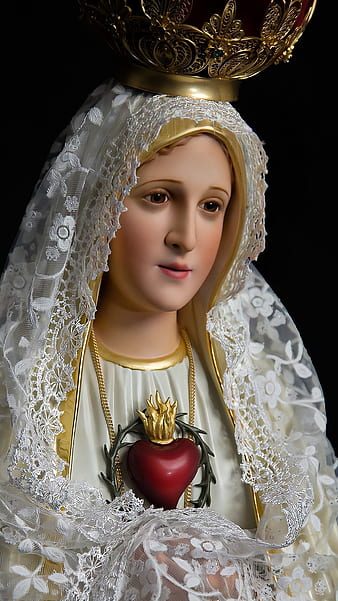
Mary, Mother of God: Our Guide to Eternal
Updated at: 2023-08-05 13:20:31 (3 years ago by Melkisedeck Leon Shine)
πMary, Mother of God: Our Guide to Eternal Joyπ
πΉ Introduction: The significance of Virgin Mary in Christian Catholicism cannot be overstated. Throughout history, she has been venerated as the Mother of God and the perfect model of faith and virtue. Let us explore how Mary, our beloved guide, can lead us to eternal joy.
ππΌ Mary's Immaculate Conception: Unlike any other human being, Mary was conceived without the stain of original sin, making her the perfect vessel for carrying and nurturing the Son of God. Her purity and holiness set her apart.
π Mary as the Mother of God: Mary's divine motherhood is a cornerstone of the Christian faith. The Bible clearly states in Luke 1:43, "And why is this granted me, that the mother of my Lord should come to me?" Mary's unique role as the Mother of Jesus emphasizes her closeness to God and her intercessory power.
π Mary's Fiat: In Luke 1:38, Mary humbly accepts God's plan for her life, saying, "Behold, I am the handmaid of the Lord; let it be to me according to your word." Her complete surrender to God's will teaches us the importance of trust, obedience, and humility in our own lives.
πΉ Mary as Our Intercessor: Just as Mary interceded on behalf of the couple at the wedding in Cana, she continues to intercede for us before her Son, Jesus. The Catechism of the Catholic Church beautifully states in paragraph 2677, "By asking Mary to pray for us, we acknowledge ourselves to be poor sinners and we address ourselves to the 'Mother of Mercy', the All-Holy One."
ποΈ Mary's Role in Salvation: Mary's "yes" to God's plan brought salvation to the world. Through her cooperation, Jesus Christ, our Savior, was born. She is truly the Mother of our redemption, and her unwavering faith inspires us to draw closer to Christ.
π A Life of Virtue: Mary's life was a shining example of holiness and virtue. She exhibited qualities such as purity, humility, compassion, and obedience. As we strive to live a Christ-centered life, we can turn to Mary as a guide in cultivating these virtues.
πΊ Mary and the Rosary: The Rosary is a powerful prayer that allows us to meditate on the life of Jesus through the eyes of Mary. By praying the Rosary, we deepen our relationship with Christ and draw closer to our Heavenly Mother.
βͺ Mary and the Church: Mary has a special place in the heart of the Church. She is the perfect model of discipleship and an example of faithfulness to God's mission. As we navigate our spiritual journey, we look to Mary as a guide and advocate.
π Marian Apparitions: Throughout history, Mary has appeared to various individuals, delivering messages of hope, repentance, and conversion. These apparitions serve as a reminder of Mary's maternal love for us and her desire to lead us to eternal joy.
π Saints' Devotion to Mary: Numerous Catholic saints have expressed their deep devotion to Mary. St. Louis de Montfort, for example, wrote extensively about consecration to Mary and the benefits of entrusting oneself to her care.
πΉ Mary as Our Mother: Jesus, while on the cross, entrusted Mary to the care of the beloved disciple, saying, "Behold, your mother" (John 19:27). In that moment, Mary became our spiritual mother, guiding and nurturing us in our journey towards Heaven.
ππΌ The Prayers of Mary: Mary's prayers are powerful and efficacious. Just as she interceded for the wedding couple at Cana, she intercedes for us in our time of need. Let us turn to her with confidence, knowing that she will bring our petitions before her Son.
π Mary's Love for All: Mary's love extends to all of humanity, regardless of our shortcomings or sins. She invites us to approach her with childlike trust, knowing that she will lead us to her Son, who is the source of eternal joy.
π Conclusion: Mary, Mother of God, is a guiding light in our journey towards eternal joy. Through her example, intercession, and love, she leads us closer to Jesus. Let us embrace her motherly care and seek her guidance as we strive to live a life pleasing to God.
πΉ What are your thoughts on the immense love and guidance that Mary, Mother of God, provides for us? How has she influenced your spiritual journey? Share your thoughts and experiences below! ππΌ
Updated at: 2023-08-05 13:19:42 (3 years ago by Melkisedeck Leon Shine)
Mary, Star of the Sea: Guiding Us to Christ π
πΉ Mary, the Blessed Virgin, holds a special place in the heart of every Catholic. As the Mother of God and the epitome of virtue, she is a guiding light for all Christians on their journey to Christ.
π Just as sailors look to the stars to navigate their way across the vast ocean, we too can look to Mary, Star of the Sea, to guide us through the stormy seas of life towards our ultimate destination: eternal union with Christ.
π Throughout the Bible, we see Mary's unwavering faith and her deep love for God. From the Annunciation, where she humbly accepted her role as the mother of Jesus (Luke 1:38), to her presence at the foot of the Cross (John 19:25-27), Mary's life is a testament to her complete surrender to God's will.
π In Luke 1:48, Mary herself proclaims, "For he has regarded the low estate of his handmaiden. For behold, henceforth all generations shall call me blessed." It is through her humility and obedience that Mary became the vessel through which God chose to bring His Son into the world.
π The Catechism of the Catholic Church teaches us that Mary's role as the Mother of God goes beyond her physical motherhood. She is also the spiritual mother of all believers: "In fact, by her maternal charity, Mary cares for the brethren of her Son, who still journey on earth, surrounded by dangers and difficulties, until they are led into their blessed home" (CCC 975).
π Through her intercession, Mary constantly intercedes for us before her Son. Just as at the wedding at Cana, when she asked Jesus to perform His first miracle (John 2:1-11), Mary continues to bring our needs and petitions before Him.
ποΈ In times of darkness and doubt, Mary provides us with a beacon of hope. She reminds us of God's unfailing love and mercy, encouraging us to trust in His divine plan for our lives. Like a guiding star in the night sky, Mary leads us closer to Christ, who is the light of the world.
π The saints throughout history have turned to Mary as their spiritual mother and guide. Saint Maximilian Kolbe, a martyr of the Holocaust, once said, "Never be afraid of loving the Blessed Virgin too much. You can never love her more than Jesus did."
π The rosary, a powerful prayer that leads us to contemplate the mysteries of Christ's life, is a beautiful way to honor Mary. In this meditative prayer, we unite ourselves with Mary as we reflect on the joys, sorrows, and glory of her Son.
πΉ The Hail Mary, a prayer deeply rooted in Scripture, reminds us of Mary's role in our spiritual journey: "Hail Mary, full of grace, the Lord is with thee; blessed art thou among women, and blessed is the fruit of thy womb, Jesus" (Luke 1:28, 42).
π« As we call upon Mary's intercession, she leads us to Christ, just as she led the shepherds and wise men to the manger where Jesus was born. She is the shining star that points us towards the One who is the Way, the Truth, and the Life (John 14:6).
π Mary's guidance is not limited to moments of joy and celebration; she also walks with us in times of suffering and sorrow. Just as she stood at the foot of the Cross, Mary stands by our side, offering us comfort and strength in our trials.
π The saints, too, found solace in Mary's loving presence. Saint Louis de Montfort wrote, "The more the Holy Spirit finds Mary, His dear and inseparable spouse, in any soul, the more active and mighty He becomes in producing Jesus Christ in that soul."
πΊ In our devotion to Mary, we are not worshipping her, but rather honoring her as the Mother of God and acknowledging her unique role in our salvation. She is the Star of the Sea, guiding us to Christ and drawing us closer to His love and mercy.
π What are your thoughts on Mary, Star of the Sea? How has she guided you to Christ in your own spiritual journey? Share your experiences and reflections in the comments below. May Mary, our loving Mother, continue to intercede for us and lead us to her Son, now and forever. Amen. π
Updated at: 2023-08-05 13:19:48 (3 years ago by Melkisedeck Leon Shine)
The Holy Family: Mary's Role as Mother and Example ππͺ
Introduction: The Holy Family holds a special place in the hearts of Christians worldwide. At its center is the beloved figure of Mary, the Mother of God, who played a crucial role in nurturing and raising Jesus. Let us explore Mary's role as a mother and how she serves as an example for all of us.
Mary's Divine Motherhood: Mary's unique role as the Mother of God sets her apart from any other woman in history. In Luke 1:31-32, the angel Gabriel proclaims, "You will conceive in your womb and bear a son, and you shall name him Jesus. He will be great and will be called Son of the Most High." This divine motherhood highlights Mary's unparalleled closeness to God and her central role in salvation history.
Mary's Exclusive Motherhood: Contrary to some misconceptions, Mary remained a perpetual virgin, dedicating herself entirely to God's plan. The Bible clearly states that Jesus was her only child, as affirmed in Matthew 1:25, "But he had no relations with her until she bore a son, and he named him Jesus." Mary's unique and exclusive motherhood emphasizes her purity and devotion to God.
Mary's Example of Faith: Mary's unwavering faith in God shines through her life, serving as a model for all believers. In Luke 1:38, Mary humbly submits to God's will, saying, "Behold, I am the handmaid of the Lord. May it be done to me according to your word." Her complete surrender to God's plan inspires us to trust in His guidance and embrace our own callings.
Mary's Intercessory Role: As the Mother of God, Mary holds a special place in interceding for us before her Son. In John 2:3-5, Mary's intercession at the Wedding at Cana led to the first public miracle of Jesus, demonstrating her powerful role in our lives. Just as she cared for the needs of the wedding guests, Mary cares for our spiritual needs and intercedes for us in heaven.
Mary's Compassion and Love: Mary's role as a mother extends beyond her relationship with Jesus. Throughout his life, Jesus experienced the love and compassion of Mary, who stood by him even in the most challenging moments. As Christians, we can learn from Mary's unconditional love and emulate her compassion towards others.
The Annunciation: The Annunciation serves as a pivotal moment in Mary's life, as she wholeheartedly accepts God's plan to become the Mother of the Savior. This event showcases her profound humility and willingness to serve. The Catechism of the Catholic Church, paragraph 494, beautifully states, "Called in the Gospels 'the mother of Jesus,' Mary is acclaimed by Elizabeth, at the prompting of the Spirit and even before the birth of her son, as 'the mother of my Lord.'"
Mary's Acceptance of Suffering: Mary's journey as a mother was not without its share of sorrow. Witnessing her Son's crucifixion must have been an unimaginable pain. In John 19:26-27, Jesus entrusts his beloved disciple John to Mary's care, saying, "Woman, behold your son." Even in her agony, Mary demonstrates her strength and motherly love, embracing her role as the spiritual mother of all believers.
Mary's Example of Humility: Mary's humility sets an example for us all. In Luke 1:48, she exclaims, "For he has looked upon his handmaid's lowliness; behold, from now on will all ages call me blessed." Despite her exalted status as the Mother of God, Mary remains humble, acknowledging her dependence on God's grace.
Devotion to Mary: Throughout history, countless saints and theologians have expressed deep devotion to Mary. St. Louis de Montfort once said, "The more the Holy Spirit finds Mary, His dear and inseparable spouse, in any soul, the more active and mighty He becomes in producing Jesus Christ in that soul." This devotion to Mary leads us closer to Jesus, reflecting her role as the spiritual mother of all Christians.
Mary as Our Model: As Christians, we are called to imitate Mary's virtues and seek her intercession. The Catechism of the Catholic Church, paragraph 967, affirms, "By her complete adherence to the Father's will, to his Son's redemptive work, and to every prompting of the Holy Spirit, the Virgin Mary is the Church's model of faith and charity." Mary's example teaches us to embrace God's will, have faith, and show love to others.
Conclusion: Mary's role as a mother and example in the Holy Family is a testament to her unwavering faith, love, and humility. Through her intercession and motherly care, she continues to guide and inspire Christians around the world. Let us reflect on the profound impact Mary had and continues to have on our lives, and strive to follow her example in our own journey of faith.
What are your thoughts on Mary's role as the Mother of God and her example for us? How has she influenced your spiritual journey? Share your opinions and experiences below!
Updated at: 2025-06-23 12:50:15 (1 year ago by Melkisedeck Leon Shine)
```htmlThis essay examines the pivotal role of Mary, the Mother of God, within Catholic theology, focusing on her significance in restoring humanity's relationship with the divine. Key concepts such as the Immaculate Conception, the concept of the New Eve, and Marian intercession will be explored through a lens of theological and historical analysis, drawing upon established theological frameworks and doctrines. We will analyze the narrative of Mary within the context of salvation history and assess its implications for contemporary faith.
The doctrine of the Immaculate Conception posits that Mary was conceived without original sin, a unique distinction amongst humanity. This concept, central to Catholic Marian theology, establishes Mary as a vessel entirely consecrated to Godβs plan. This preemptive grace, as understood within the framework of prevenient grace (the concept that God's grace precedes human action, preparing the heart for acceptance), allowed Mary to fully embrace God's will without the impediment of inherited sin. This contrasts starkly with Eve's disobedience in the Garden of Eden, which initiated humanity's estrangement from God. Mary's Immaculate Conception, therefore, provides the theological foundation for her role as the "New Eve," offering a counterpoint to Eve's transgression.
The Annunciation, the moment Gabriel announced Mary's divine motherhood, highlights the pivotal role of obedience. Mary's "fiat" β "Let it be to me according to your word" β signifies a complete surrender to God's will, a stark contrast to Eve's act of disobedience. This act of perfect obedience, understood within the framework of the theocentric model (placing God as the central focus), directly addresses the theological problem of original sin and lays the foundation for redemption. The Annunciation presents a radical shift from the fall, illustrating a path towards reconciliation with the divine through absolute obedience and faith. Applying this model practically requires a continual examination of our own obedience to God's will in daily life, recognizing that our compliance with his precepts acts as a mirror to Mary's and contributes to the restoration of our relationship with Him.
The comparison of Mary to the Ark of the Covenant, a sacred vessel holding the divine presence in the Old Testament, underscores her role as the bearer of Godβs grace. Just as the Ark symbolized God's presence among his people, Mary, through her womb, carried the incarnate Word of God, Jesus Christ. This symbolic equivalence serves to highlight Maryβs central role in the divine economy of salvation. The Visitation, where the unborn John the Baptist leaped in Elizabeth's womb upon Mary's arrival, further strengthens this concept, demonstrating the tangible outpouring of grace emanating from Mary. This resonates with the concept of sacramental theology which states that certain actions or objects become channels of divine grace.
Mary's role as intercessor, evident in episodes such as the wedding at Cana (where she interceded with Jesus to perform his first miracle), reinforces her maternal connection to humanity. This intercession is understood within the context of ecclesiology (the study of the church) in which the church acts as the mediator and acts between man and God. Similarly, Mary acts as a mediator between humankind and the grace of God, echoing the motherly concern and advocacy for her children. Her compassion and concern reflect a deep understanding of the human condition, facilitating our access to divine mercy and grace. We can model this by practicing compassion and advocacy for others as an extension of Mary's intercessory role.
The titles "Queen of Heaven and Earth" and the dogma of the Assumption highlight Mary's exalted position and the eschatological (end-times) hope she represents. Her queenship signifies her unique union with Christ and her participation in his reign. The Assumption, her bodily ascension into Heaven, serves as a powerful symbol of the ultimate triumph over death and the hope of resurrection for all believers. This aligns with the concept of theosis (divinization), which emphasizes the potential for humanity to achieve communion with God. Observing Maryβs glorified state offers believers a tangible hope for the fulfillment of Godβs promises in the afterlife. We can strive to emulate her holiness, seeing her life as a roadmap to achieving our own communion with the Divine.
Devotions like the Rosary, combined with theological affirmations found in the Catechism of the Catholic Church and the testimonies of saints, reinforce Mary's role in salvation history. The Rosary, through its meditative structure, fosters a deeper relationship with Christ and Mary, while the Catechism and saintly testimonies offer further theological insight and personal inspiration. These different methods β meditation, theological study, and hagiography β provide avenues for believers to engage with Maryβs role and its implications for their personal faith journey. This interdisciplinary approach to religious study provides a rich tapestry that enriches our understanding.
Mary's role as the New Eve transcends simple historical narrative; it constitutes a dynamic theological concept with profound implications for contemporary faith. Her obedience, intercession, and maternal care offer a powerful model for spiritual growth and a restoration of humanity's relationship with God. Further research could explore comparative religious perspectives on the concept of divine motherhood, and the psychological implications of Marian devotion. The enduring power of Mary's example challenges us to embrace a life of unwavering faith, service, and loveβa path that ultimately leads to a deeper communion with the divine.
Reader Pool: Considering the various theological perspectives presented, what are the practical implications of Mary's role as the "New Eve" for fostering a stronger relationship between individuals and their faith community?
```
Updated at: 2025-06-21 00:59:45 (1 year ago by Melkisedeck Leon Shine)
This article explores the theological concept of Mary as Mediatrix, examining her role within the Christian faith, particularly within Catholic theology. We will define key terms, analyze biblical and theological foundations, and explore the implications of this doctrine for personal spiritual growth. Key concepts include mediation (the act of intervening or interceding on behalf of others), intercession (prayer on behalf of another), and grace (God's unmerited favor and divine assistance). We will also touch upon relevant theological frameworks such as the Marian doctrines within Catholicism.
The foundational basis for understanding Mary's role as Mediatrix lies in her divine motherhood. Luke 1:43, where Elizabeth calls Mary "the mother of my Lord," establishes Mary's unique position in the history of salvation. This title, "Mother of God" (Theotokos), emphasizes her role in the Incarnation β God becoming man in Jesus Christ. This divine motherhood is not merely a biological fact, but a theological reality that underscores Mary's intimate relationship with Christ and her participation in the redemptive work of God. Applying the Trinitarian model of God here, this highlights the co-operation of the Divine and human in the redemptive work.
Catholic theology affirms Mary's role as Mediatrix, clarifying that her mediation doesn't supersede or diminish Christ's unique mediation. Instead, it complements and enhances it. As the Catechism of the Catholic Church states, Mary's mediation flows from her motherhood and her complete union with God's will. This mediation is understood not as a substitution for Christ's role, but as a participation in his grace. The concept of *subsidiarity* can be applied here, where God primarily acts, but uses secondary means (in this case Mary's role) to achieve his goal of salvation. Applying the ecclesiological models of the church as both a maternal and mystical body of Christ, Mary is understood as co-operating in her maternal role with the mediatorial role of Christ.
The wedding at Cana (John 2:1-12) provides a powerful example of Mary's intercession. Her request to Jesus to address the lack of wine illustrates her awareness of human needs and her confident approach to her Son. This episode demonstrates Mary's active role in God's plan, not merely as a passive observer, but as a participant who collaborates in bringing about God's grace. Theological analysis of this event, and other instances in scripture and tradition, shows that Mary's intercession is not based on her inherent power, but on her intimate relationship with Jesus and her unwavering faith. Her role demonstrates *vicarious participation*, where she participates in the effects of Christ's mediation.
Devotional practices, such as the Rosary, further highlight Mary's role as Mediatrix. The Rosary's repetitive prayers, especially the "Hail Mary," invoke Mary's intercession, seeking her help in bringing our petitions to Christ. This practice is based on the theological understanding of the communion of saints, implying a collaborative network of intercession, where Mary's role is particularly emphasized due to her unique relationship with Christ.
The doctrine of the Assumption of Mary, affirming her bodily ascension into heaven, underscores her unique relationship with Christ and her role in the eschatological reality of the Church's ultimate destiny. The doctrine of perpetual virginity, asserting that Mary remained a virgin before, during, and after the birth of Jesus, emphasizes the purity and holiness with which she cooperated in the Incarnation. Both doctrines serve to highlight her unique place in the history of salvation and her ongoing role as a model of faith and obedience. These doctrines are also illustrative of the concept of the *Immaculate Conception*, which emphasizes her sinless nature from the moment of her conception.
Mary's "Fiat," her "yes" to God's will (Luke 1:38), exemplifies the pinnacle of faith and obedience. Her complete surrender to God's plan serves as a powerful model for all Christians. Her life embodies the virtues of humility, trust, and unwavering faith, showing us the importance of surrendering to God's plan amidst life's challenges. Analyzing Maryβs response using the lens of *virtue ethics* provides a framework for Christian life.
The concept of Mary as Mediatrix, while a source of ongoing theological discussion, presents a rich tapestry of theological insights that emphasize the collaboration between Mary, the Church, and Christ within the work of salvation. Understanding Mary's role as Mediatrix can profoundly impact personal spiritual lives by fostering a deeper devotion to Christ and a more mature understanding of God's grace. Further research might explore the comparative theological perspectives on Mary's role across various Christian denominations, enriching the discussion. This would also include a critical evaluation of potential misinterpretations and excesses surrounding Marian devotion. The impact of emphasizing Mary's role should be carefully considered, ensuring that it always points toward Christ as the ultimate mediator and source of grace.
Reader Pool: How does the concept of Mary's mediation, as presented in this article, impact your understanding of the relationship between Mary, Christ, and the believer?
Updated at: 2025-06-23 08:34:23 (1 year ago by Melkisedeck Leon Shine)
Mary's Sorrows: A Framework for Understanding and Coping with Grief
Introduction: Defining Grief and the Significance of Marian Piety
Grief, a complex emotional and psychological response to loss, is a universal human experience. While the specifics vary based on individual circumstances and cultural context, the core elements β sadness, anger, guilt, and yearning β remain consistent. Attachment theory illuminates the profound impact of loss on our relational bonds, highlighting the enduring connection we maintain even after death. Furthermore, coping with grief involves navigating various stages, a process often modeled by KΓΌbler-Ross's five stages of grief (denial, anger, bargaining, depression, acceptance), although it's important to remember that this is not a linear or universally applicable model. Within the Catholic faith, the Virgin Mary's life, marked by profound sorrow, offers a powerful framework for understanding and coping with grief. This exploration will delve into the Seven Sorrows of Mary, analyzing their theological significance and their practical application in providing solace and guidance during personal times of bereavement.
The Seven Sorrows of Mary: Theological and Psychological Dimensions
The Catholic tradition venerates the Seven Sorrows of Mary, each representing a significant moment of suffering in her life. These sorrows are not merely historical events; they offer profound theological insights into the nature of suffering, faith, and redemption. Analyzing them through the lens of vicarious trauma, we recognize that Maryβs experience of witnessing and enduring intense emotional pain offers a powerful empathy-building experience for those grappling with their own loss. The seven sorrows, explored below, provide a systematic pathway for understanding the multifaceted nature of grief and for finding meaning amidst personal suffering. The sequential nature of these sorrows facilitates a chronological understanding of the grief process, emphasizing the intertwining of pain and hope, despair and faith.
1. The Prophecy of Simeon: Anticipating Loss and Finding Faith in Uncertainty
Simeon's prophecy, foretelling a sword piercing Mary's soul, prefigures the immense suffering to come. This introduces the concept of anticipatory grief, the emotional distress experienced in anticipation of an impending loss. Through Mary's unwavering faith despite this foreboding, we learn the importance of maintaining hope and spiritual strength even in the face of foreseen adversity. This resonates with resilience theory, which posits that individuals can find strength and coping mechanisms to navigate challenging situations. Maryβs acceptance of Simeon's prophecy models proactive grief management, allowing for emotional preparation for future pain.
2. The Flight into Egypt: Navigating Trauma and Finding Security in Divine Providence
The flight into Egypt highlights the impact of trauma and the importance of seeking refuge and safety. This episode exemplifies the effects of displacement and the disruption of security. However, Mary's reliance on God's providence demonstrates the power of faith in overcoming adversity. This aligns with the concepts of post-traumatic growth, where individuals find strength and positive transformation after experiencing significant trauma, and the protective effects of secure attachment, demonstrating that even in the most challenging situations, faith and trust in God's plan can foster a sense of security and hope.
3. The Loss of the Child Jesus in the Temple: Confronting Separation Anxiety and Trusting God's Guidance
Maryβs anguish at losing Jesus in the Temple illustrates the intense emotional experience of separation anxiety and the overwhelming fear associated with potential loss. This emphasizes the importance of accepting vulnerability and trusting in divine providence. This resonates with the concepts of the stages of grief where the intensity of feelings can cause intense worry and fear. The eventual reunion demonstrates the importance of trust and faith, illustrating that even in moments of despair, divine guidance can lead to reconciliation and renewed hope.
4. Mary's Encounter with Jesus on the Way to Calvary: Experiencing Empathetic Sorrow and the Power of Shared Suffering
Witnessing Jesus' suffering on the road to Calvary represents an experience of empathetic sorrow and profound emotional pain. This sorrow exemplifies vicarious traumatization, where witnessing the trauma of another person deeply affects the observer. However, Mary's presence alongside Jesus underscores the power of shared suffering and the strength found in mutual support during moments of extreme hardship. This demonstrates that shared experiences can foster resilience and strengthen interpersonal bonds.
5. The Crucifixion: Confronting the Ultimate Loss and Finding Meaning in Sacrifice
The crucifixion represents the ultimate loss and the profound grief associated with witnessing the death of a loved one. This experience demonstrates the capacity for human resilience in the face of immeasurable pain. Through Mary's unwavering faith and acceptance, we see the process of finding meaning in sacrifice. This aligns with the concept of meaning-making, whereby individuals find ways to reconcile with and interpret traumatic events to foster growth and healing.
6. The Deposition from the Cross: Processing Loss and Embracing the Act of Tenderness
The deposition from the cross emphasizes the visceral nature of grief and the importance of acknowledging the physicality of loss. Mary's act of holding Jesus' lifeless body underscores the need for physical and emotional release. This allows for the cathartic expression of grief and the acceptance of the reality of death. This resonates with therapeutic approaches that emphasize the importance of rituals and physical actions in the grieving process.
7. The Burial of Jesus: Accepting the Finality of Death and Embracing Hope for Resurrection
The burial of Jesus represents the final stage of acceptance and the transition from grief to hope. Mary's faith in the resurrection demonstrates the spiritual resilience that allows individuals to move forward and find peace despite the loss. This connects with the concept of spiritual resilience, which highlights the role of spiritual beliefs and practices in fostering hope and coping with adversity. The burial marks the end of one chapter and the anticipation of a new beginning, fostering hope for the future.
Finding Solace and Strength Through Mary's Example
Mary's journey of sorrow offers a profound model for navigating grief. Her unwavering faith, resilience, and compassionate empathy provide comfort and guidance to those experiencing loss. By exploring her sorrows, we gain valuable insights into the multifaceted nature of grief and discover strategies for finding meaning, hope, and strength during challenging times. Her example emphasizes the importance of faith, community support, and acceptance in fostering healing and personal growth.
Conclusion: Recommendations and Future Research
Maryβs example provides a powerful lens for understanding and navigating grief within a spiritual framework. Further research could explore the effectiveness of incorporating Marian devotion into grief counseling, analyzing its impact on emotional well-being and spiritual resilience among bereaved individuals. The study could utilize qualitative methods, such as interviews and thematic analysis, to capture the lived experiences of individuals who find solace in Mary's example. This research could contribute to the development of culturally sensitive and spiritually informed grief support interventions, particularly within Catholic communities. The findings could inform pastoral care practices and provide valuable insights into the intersection of faith, spirituality, and psychological well-being in the grieving process.
Reader Pool: How might a deeper understanding of Mary's sorrows, framed within established psychological and theological frameworks, enhance our approaches to grief counseling and pastoral care?
Updated at: 2025-06-05 10:20:04 (1 year ago by Melkisedeck Leon Shine)
This essay explores the theological concept of Mary's divine motherhood, a central tenet of Catholic faith. We will analyze its scriptural basis, its implications for ecclesiology (the study of the Church), and its ongoing relevance for contemporary spiritual life. Key concepts include the Immaculate Conception (Mary's conception without original sin), Theotokos (God-bearer, a title for Mary), and Mariology (the study of Mary's role in salvation history).
1. Scriptural Foundation and the Annunciation: The Gospel accounts of the Annunciation (Luke 1:26-38) and the Nativity (Luke 2:1-7) provide the scriptural foundation for understanding Mary's role. Luke's narrative emphasizes Gabriel's announcement to Mary of her divinely ordained motherhood. Applying the theological principle of divine election, we see Mary chosen, not because of any inherent merit, but purely through God's grace. This election is a pivotal moment in salvation history, prefiguring the Incarnation itself. The angelβs words establish Mary's unique status: "You will conceive and give birth to a son, and you are to call him Jesus. He will be great and will be called the Son of the Most High." This declaration directly establishes the core of the Marian dogma.
2. Mary as Theotokos and the Council of Ephesus: The title Theotokos ("God-bearer"), affirmed at the Council of Ephesus (431 AD), solidifies the understanding of Mary's role in the Incarnation. This council definitively established the orthodox Christological position, affirming the full divinity and humanity of Jesus Christ. Mary's role as Theotokos is not merely metaphorical; it signifies her active participation in the divine plan of salvation. This concept is rooted in the hypostatic union, the theological principle that the divine and human natures are united in the single person of Christ. Mary's motherhood, therefore, is not just a human event; itβs intrinsically connected to the central mystery of the Christian faith.
3. Marian Intercession and the Cana Wedding: The event at the wedding feast at Cana (John 2:1-11) exemplifies Mary's intercessory role. Her instruction to the servants, "Do whatever he tells you," demonstrates her unwavering trust in Jesus' authority and her concern for others' needs. This showcases the model of Marian intercessionβnot a bypassing of Christ's mediation but a collaboration within the salvific economy. This aligns with the concept of mediatrix, often associated with Mary, understanding it not as a rival to Christ's unique mediation, but as a participant in the same economy of salvation.
4. Mary's Perpetual Virginity: The belief in Mary's perpetual virginity, while not explicitly detailed in scripture, is a deeply held belief within Catholic tradition. The Gospel of Matthew (Matthew 1:25) indicates that Joseph did not consummate the marriage until after the birth of Jesus. This, combined with theological interpretations, reinforces the doctrine of perpetual virginity, viewing it as a symbol of Mary's complete consecration to God and her unique role in salvation history. This perspective is understood within the framework of theological anthropology, emphasizing the unique and sacred character of Mary's person.
5. Mary's Role in Ecclesiology: The Second Vatican Council's Lumen Gentium significantly addressed Mary's role in the Church. Mary is presented as a model of faith and obedience, a spiritual mother to the Church, and an intercessor. Her role, however, is always understood in its essential relationship with Christ. Mary's motherhood is seen as an instrument within Godβs plan of salvation, not as an independent or competing force. This highlights the importance of maintaining the correct balance between Christocentrism and the veneration of Mary.
6. Mary as a Model for Christian Life: Mary's life, characterized by faith, obedience, and humility, serves as an example for all Christians. Her unwavering trust in God's plan, even in the face of significant challenges, presents a powerful example of faithful discipleship. This embodies the theological concept of Imitatio Christi (the imitation of Christ), showing that Maryβs life provides a path towards a deeper relationship with Christ.
7. Contemporary Relevance and Ongoing Devotion: Devotion to Mary continues to be a significant aspect of Catholic life. The belief in her maternal care and intercession provides comfort and hope for many. However, this devotion must always remain rooted in Christocentric theology. The importance of fostering correct Marian piety, avoiding any potential imbalances, is central to ensuring the faithful maintain a proper understanding of Maryβs role in the divine economy.
Conclusions and Recommendations: The Marian dogma, rooted in scripture and solidified by theological reflection, presents a complex and multifaceted understanding of Mary's role in salvation history. Her divine motherhood is intrinsically linked to the Incarnation and Christ's redemptive work. A proper understanding of this dogma requires a deep appreciation for its scriptural basis, its articulation within the councils of the Church, and its ongoing relevance for Christian life. Further research could explore the diverse theological perspectives on Marian doctrines, analyzing their historical development and their contemporary implications for ecumenical dialogue. Moreover, exploring the cultural and sociological aspects of Marian devotion across different regions and communities could provide a more comprehensive understanding of the richness and complexities of this tradition. The emphasis should always remain on the Christocentric nature of faith, with Marian devotion understood as a path that leads to a deeper relationship with Jesus Christ. Maintaining this focus will help to prevent any potential misinterpretations or imbalances within the theological framework.
Reader Pool: How might a more nuanced understanding of the Marian dogma contribute to a more fruitful interfaith dialogue, particularly in addressing potential theological differences?
Updated at: 2025-06-05 15:34:31 (1 year ago by Melkisedeck Leon Shine)
Introduction: This discourse examines the multifaceted role of Mary, Mother of God, within the Catholic faith, exploring her significance as a source of comfort and hope for believers. Key concepts central to this analysis include Marian theology, the concept of intercession, and the application of religious symbolism in fostering spiritual well-being. We will analyze Mary's role through established theological frameworks and explore real-world manifestations of Marian devotion.
Divine Motherhood and Theological Significance: The Annunciation, as described in Luke 1:26-38, establishes Mary's unique position as Theotokos, "God-bearer." This theological concept, developed by early Church Fathers, signifies not only her biological role in the Incarnation but also her spiritual significance as a mediator between humanity and God. This divine motherhood serves as a cornerstone of Marian piety, offering believers comfort in the knowledge of a compassionate, divine maternal figure. This concept resonates with attachment theory, which highlights the importance of secure attachment figures in human development, suggesting a parallel between the maternal comfort provided by Mary and the need for secure attachment in spiritual life.
Mary as Intercessor and Advocate: The concept of Mary's intercession is central to Catholic theology. Her role as advocate before God draws upon the principle of "spiritual kinship," suggesting that through her intimate relationship with Christ, she possesses a unique capacity to intercede on behalf of humanity. This is illustrated in scriptural passages such as John 2:1-11 (the wedding at Cana), where Mary's intercession leads to a miracle. This model can be compared to the sociological concept of patronage, where influential figures act as intermediaries for those seeking assistance within a system. In this spiritual application, Mary is understood as the patron saint of humanity.
Motherly Compassion and the Symbolism of Sacrifice: Mary's unwavering presence at the foot of the cross, as depicted in John 19:25-27, exemplifies her profound compassion and love. This resonates with the psychological concept of empathy and highlights her capacity for deep suffering and unwavering support. Her role as "spiritual mother" to humanity reflects the powerful bond between mother and child, offering solace and understanding amidst suffering. This resonates with the psychodynamic perspective in understanding the significance of maternal figures in human development and coping mechanisms.
The Rosary and its Meditative Function: The Rosary, a traditional Catholic devotion, provides a structured pathway to reflection on the life of Christ through Marian contemplation. Repetitive prayer, a key component of the Rosary, serves a meditative function, allowing believers to focus on spiritual themes and experience a sense of peace and tranquility. This aligns with mindfulness practices, suggesting the Rosary as a form of structured meditation fostering emotional regulation and spiritual connection. This practice uses the principle of repetition and memory to strengthen faith and promote mental well-being.
Marian Apparitions and their Psychological Impact: Reported Marian apparitions, such as those at Lourdes and Fatima, have had profound psychological impacts on individuals and communities. These events can be examined through the lens of social psychology, exploring how shared belief systems and collective experiences can shape individual faith and provide a sense of community and hope. Such experiences, whether interpreted as genuine or psychologically induced, can provide profound comfort and spiritual solace.
Historical Context of Marian Devotion: Devotion to Mary has deep roots in the early Church, evidenced by writings of early Church Fathers and the development of Marian doctrines throughout history. Understanding the historical development of Marian theology provides insight into the evolution of religious practices and beliefs. This historical analysis illustrates how Mary's role within the Catholic faith has been consistently shaped and reinforced over centuries, demonstrating its enduring significance.
Mary's Intercession Through the Lives of Saints: The lives of numerous saints demonstrate the enduring belief in Mary's powerful intercession. Examining these hagiographies reveals how Mary's role as an intercessor has provided comfort, guidance, and spiritual inspiration to individuals throughout history. These accounts offer qualitative data on the experienced effects of faith and the role of Mary's intercession within the larger theological framework.
The Perpetual Virginity of Mary: The doctrine of Mary's perpetual virginity, as described in Matthew 1:25, holds theological significance, emphasizing her unique status and commitment to God. This doctrine, while sometimes debated, forms an integral part of Catholic understanding of Mary and her role in the divine plan. This aspect underscores Mary's complete dedication to God, highlighting the ideal of consecrated life and unwavering faith.
Mary as a Role Model of Faith and Obedience: Mary's unwavering obedience to God's will, as exemplified by her response to the Annunciation, serves as a powerful example of faith and trust. Her acceptance of God's plan, even in the face of uncertainty, offers a model for believers to emulate in their own lives. This resonates with virtue ethics, emphasizing the importance of character development and the pursuit of moral excellence. Mary serves as a paragon of faith and trust in God.
Conclusion and Recommendations: This analysis demonstrates the significant role of Mary, Mother of God, in providing comfort and hope to believers within the Catholic faith. Her influence is evident across theological, psychological, and sociological perspectives. Further research could investigate the correlation between Marian devotion and mental well-being, exploring the potential therapeutic effects of Marian practices. A comparative study of Marian devotion across different Christian denominations could also provide valuable insights. Understanding Mary's role is crucial not only for theological understanding but also for appreciating the complex psychological and social aspects of faith and spirituality. Her enduring influence underscores the power of faith and hope in navigating life's challenges.
Reader Pool: How might a deeper understanding of the theological and psychological dimensions of Marian devotion contribute to a more nuanced approach to pastoral care and spiritual guidance?
Updated at: 2025-06-19 15:43:38 (1 year ago by Melkisedeck Leon Shine)
```htmlThis discourse explores the multifaceted role of Mary within Catholic theology, examining her significance as an advocate and protector of believers. We will analyze her unique position, utilizing theological concepts and principles to illuminate her importance in the spiritual lives of Catholics. Key terms such as intercession (the act of pleading on behalf of another), Theotokos (God-bearer), and Immaculate Conception will be defined and applied to contextualize Mary's role.
Mary's Unique Ontological Status and the Example of Faith
Mary's pivotal role as the Theotokos, the Mother of God, establishes her unparalleled position within Christian history and theology. Luke 1:43, where Elizabeth proclaims Mary as the mother of her Lord, underscores this divine maternity. This unique status is not merely biological; it establishes her as intrinsically linked to the divine plan of salvation. Furthermore, Mary's unwavering obedience to God's will, as exemplified by her acceptance of Gabriel's annunciation (Luke 1:38), "Behold, I am the handmaid of the Lord; let it be to me according to your word," provides a powerful model of faith and submission to divine providence. This illustrates the theological concept of kenosis, the self-emptying of one's will for the sake of God's, a principle central to Christian spirituality.
Mary as Intercessor: A Mediatory Role within the Communion of Saints
The Catholic Church affirms Mary's role as an intercessor, based on scriptural examples like her intervention at the wedding at Cana (John 2:3). This intercessory role, rooted in the concept of the Communion of Saints, posits that those in heaven, through their union with Christ, can pray for and advocate on behalf of those still on Earth. The Catechism of the Catholic Church reinforces this concept, highlighting Mary as a model of faith and charity. The Hail Mary prayer encapsulates this understanding, directly requesting Mary's intercession. This concept of mediation is not seen to contradict Christ's unique role as sole mediator, rather, it is understood as a collaborative act within the overall economy of salvation.
Mary's Protective Role and the Development of Marian Piety
Mary's role as protector is evident in various titles bestowed upon her, such as "Queen of Heaven." This title symbolizes her guardianship over humanity, reflecting the maternal protection associated with the archetype of the divine feminine. The devotion to the Immaculate Heart of Mary highlights her compassionate love for humanity and her sorrow for sin. This devotion underscores the potential for human reconciliation and divine mercy, reflecting the core tenets of Catholic soteriology. Furthermore, the emphasis on Mary's perpetual virginity underscores her complete consecration to God, enhancing her symbolic purity and serving as an aspirational model of holiness within the theological framework of Christian ethics.
Mary's Significance Across Christian Traditions
The veneration of Mary transcends denominational boundaries. The Orthodox tradition venerates her as the Theotokos, emphasizing her crucial role in the Incarnation. The similarities and differences in Marian piety across various Christian traditions illustrate the evolving interpretations of scripture and the diverse ways in which believers engage with their faith. This demonstrates the dynamic nature of religious interpretation and the ongoing dialogue within Christianity.
Mary as a Pathway to Christ: Avoiding Misinterpretations
It is essential to clarify that Mary's role as advocate does not diminish the centrality of Jesus Christ as the sole mediator between God and humanity. Rather, Mary's intercession is understood as a guiding path towards Christ, fostering a deeper relationship with Him. The devotion to Mary is not an obstacle but a means to spiritual growth, aligning with the concept of via negativaβfinding God through what He is notβand emphasizing the importance of spiritual practices within the context of sacramental theology.
Conclusion and Recommendations
Maryβs significance in Catholic theology extends far beyond a simple veneration. Her role as intercessor, protector, and exemplar of faith forms an integral component of Catholic spirituality. Further research could explore the evolution of Marian doctrines across historical periods, analyzing the social and cultural factors influencing these developments. A comparative theological study examining Marian piety across various Christian traditions would provide valuable insights into the diverse interpretations of Mary's role and their impact on Christian life. Understanding Mary's role necessitates a nuanced understanding of scripture, tradition, and the evolving theological discourse within the Church, emphasizing the importance of ecumenical dialogue and respectful interfaith engagement.
Reader Pool: In what ways do you believe the concept of Mary as an intercessor complements or challenges the understanding of Christ's unique mediatorial role within Christian theology?
```
Updated at: 2025-05-27 10:18:58 (1 year ago by Melkisedeck Leon Shine)
Mary's Elevated Role within Catholic Theology: A Marian Christological Analysis
Introduction
Within the Roman Catholic Church, the Virgin Mary holds a position of unparalleled reverence. This article examines the multifaceted theological underpinnings of Mary's elevated status, specifically focusing on the concept of her queenship, exploring its scriptural basis, doctrinal development, and its implications for Catholic spirituality. Key concepts to be addressed include Marian doctrines (such as the Immaculate Conception, Perpetual Virginity, and the Assumption), Christology (the study of Jesus Christ), and the role of intercessory prayer within the Catholic faith. These concepts will be analyzed using established theological frameworks and contextualized within the historical development of Catholic doctrine and Marian piety.
1. Mary: Theotokos and the Incarnation
The title "Theotokos," meaning "God-bearer," bestowed upon Mary at the Council of Ephesus (431 CE), is foundational to understanding her unique role. This title directly affirms the divinity of Jesus Christ, recognizing Mary as the mother of the incarnate Son of God. This christological affirmation underscores Mary's pivotal position in the divine economy of salvation. The council's decision illustrates the importance of applying conciliar pronouncements to clarify and solidify theological understandings, emphasizing the dynamic interplay between scriptural interpretation and reasoned theological discourse within the Church.
2. Perpetual Virginity: Purity and the Vessel of Grace
The doctrine of Mary's perpetual virginity, while not explicitly stated in all biblical texts, is a long-held belief in the Catholic tradition. This belief emphasizes her purity and holiness, representing her as the uniquely chosen vessel through which God entered the world. This concept demonstrates the application of tradition and theological interpretation to build upon scriptural accounts, showcasing how the Church has developed its understanding of Marian theology over centuries. Interpretations vary on how exactly Matthew 1:25 is understood and applied to this specific belief.
3. Mary as the New Eve: A Reversal of the Fall
The comparison between Mary and Eve provides a powerful theological lens for understanding Maryβs role. While Eve's disobedience initiated humanity's fall from grace, Mary's obedience through her fiat ("Let it be") at the Annunciation reversed this trajectory, bringing forth salvation through her Son. This interpretation applies the concept of typology, a method of interpreting scripture that finds parallels between Old Testament figures and events and their New Testament counterparts. This typological approach emphasizes the redemptive work of Jesus Christ, with Mary playing a crucial mediating role.
4. The Assumption: Bodily Glorification and Queenship
The dogma of the Assumption, proclaimed by Pope Pius XII in 1950, asserts Mary's bodily ascension into heaven. This doctrine, rooted in early Christian tradition and consistent with the belief in the resurrection of Christ, elevates Mary to a position of unique glory and foreshadows the ultimate destiny of all believers. This demonstrates how theological reflection, informed by tradition and scripture, leads to the development of new doctrines that further articulate and clarify the Church's understanding of faith. The declaration showcases the application of papal authority in clarifying and defining theological concepts, thereby establishing consistent doctrine across the Church.
5. Queenship: Intercession and Mediation
The title "Queen of Heaven and Earth" signifies Mary's exalted position and her role as intercessor for humanity. This concept builds on the understanding of Maryβs role in the economy of salvation. The idea of a queen interceding for her people draws parallels with earthly monarchies, illustrating a relatable analogy for Mary's role as advocate before her Son. This analogy, while providing a tangible framework, does not diminish the transcendent nature of Mary's queenship, demonstrating a creative theological approach to communicating complex theological truths.
6. Marian Devotion and the Saints: A Legacy of Piety
The deep devotion to Mary expressed by countless saints throughout Church history underscores the profound impact of her role within the spiritual lives of believers. These expressions of piety demonstrate the lived experience of Marian devotion, providing practical examples of the beliefβs influence on personal faith. Analyzing the writings and actions of the saints demonstrates a significant sociological and anthropological lens through which to understand the development and impact of Marian theology within the context of religious practice.
7. Mary as Spiritual Mother: A Maternal Bond
Jesus' entrustment of Mary to John at the crucifixion ("Woman, behold your son!β¦ Behold your mother!") suggests a spiritual motherhood that extends to all believers. This maternal role connects believers to Mary, fostering a profound spiritual connection. This shows the application of biblical interpretation and theological reflection to establish the role of spiritual motherhood within the Catholic faith, further deepening the understanding of Maryβs role in the life of the believer.
8. Intercessory Power: The Wedding at Cana and Beyond
The miracle at Cana, where Mary intercedes with Jesus, exemplifies her intercessory role. Her actions serve as a model for the faithful, illustrating the power of prayer and the importance of seeking Mary's intercession. The application of this scriptural event highlights the importance of utilizing events and imagery within scripture to illustrate and underscore theological concepts, connecting abstract theological ideas to concrete examples.
Conclusion and Recommendations
The belief in Mary's elevated role within Catholic theology is deeply rooted in scripture, tradition, and reasoned theological reflection. This analysis has demonstrated how various theological concepts and interpretative methodologies are used to understand her position as Queen of All Creation. Further research could explore the diverse expressions of Marian devotion across different cultural contexts, examining how the concept of Mary's queenship has been adapted and understood in various parts of the world. A comparative theological study exploring variations in Marian theology across different Christian denominations could provide a further insight into the unique perspectives on Maryβs role within the Catholic tradition. This study also suggests that a focus on the intercessory role of Mary may be a significant area of exploration, analyzing its efficacy, psychological impact, and its theological implications within the context of prayer and faith. The understanding and application of these concepts requires sensitivity and careful consideration, balancing theological accuracy with pastoral sensitivity.
Reader Pool:
Considering the multifaceted aspects of Mary's role explored in this article, how might a deeper understanding of Marian theology inform and enrich contemporary Catholic spirituality and practice?