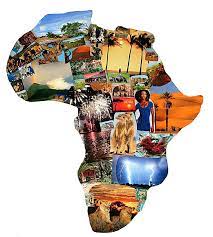
Empowering African Artists: Expressing Unity through Creativity
Updated at: 2023-08-06 14:53:56 (2 years ago by Melkisedeck Leon Shine)
Empowering African Artists: Expressing Unity through Creativity πβ¨
Remember, dear African artists, we have the ability to change the world through our expressions of unity. Let us use our creativity to inspire, empower, and unite our people. Together, we can create a harmonious and prosperous Africa. Will you join me on this journey? ππͺπ€ #AfricanUnity #EmpoweringArtists
Updated at: 2025-02-26 15:14:16 (1 year ago by Melkisedeck Leon Shine)
```Africa, a continent celebrated for its breathtaking landscapes and unparalleled biodiversity, faces a formidable challenge: the urgent need to protect its invaluable natural heritage. From the majestic elephants traversing the savannas to the vibrant coral reefs teeming with life in the Indian Ocean, the continent's rich ecosystems are under increasing threat. This is not merely an environmental issue; it's a matter of economic viability, cultural preservation, and the very future of African nations. The stakes are incredibly high.
The urgency of the situation demands immediate action. Habitat destruction, poaching, climate change, and unsustainable practices are decimating countless species, disrupting delicate ecological balances, and jeopardizing the livelihoods of communities whose existence depends on these resources. However, these daunting challenges also present a unique opportunity: a chance for African nations to collaborate, innovate, and assume a global leadership role in sustainable conservation initiatives. The path forward requires bold action and a unified vision.
Rwanda's remarkable success in gorilla conservation provides a compelling example of what's possible. Through meticulous planning, active community involvement, and responsible tourism practices, Rwanda has not only safeguarded its mountain gorilla population but also fostered a thriving ecotourism sector, benefiting local communities and showcasing the immense economic potential of biodiversity conservation. This success story powerfully demonstrates that environmental protection and economic growth are not mutually exclusive; instead, they are inextricably linked, creating a symbiotic relationship that benefits all.
The wisdom of past leaders underscores the profound importance of this endeavor. Nelson Mandela's words ring true: "The earth will not continue to offer its harvest, except with faithful stewardship. We cannot say we love the land and then take steps to destroy it." This poignant message highlights the shared ethical responsibility to protect our planet, a responsibility that transcends national borders and unites us in a common causeβthe preservation of our shared natural heritage.
Addressing this shared responsibility necessitates a multifaceted approach. First and foremost, education is paramount. Investing in comprehensive environmental education programs is crucial. These programs must empower communities with the knowledge and skills needed to actively participate in conservation efforts. This includes raising awareness about sustainable practices, promoting responsible tourism, and equipping local communities with the tools to protect their natural resources effectively. Empowerment through education is the cornerstone of long-term success.
Second, collaboration is key. African nations must strengthen their partnerships, sharing best practices, resources, and expertise to combat transnational environmental threats. This involves bolstering regional cooperation on anti-poaching initiatives, promoting sustainable land management techniques, and collaboratively addressing the impacts of climate change. A unified front against these challenges is crucial for lasting impact.
Third, we must harness the power of innovation. Technological advancements offer transformative possibilities for enhancing conservation efforts. From sophisticated monitoring technologies to groundbreaking approaches in sustainable agriculture, technology can play a pivotal role in ensuring the long-term protection of Africa's biodiversity. Innovation is the engine driving progress in conservation.
Beyond national governments and international organizations, individual actions hold considerable weight. Each of us can contribute to this critical endeavor by embracing sustainable lifestyles, supporting local conservation initiatives, and advocating for robust environmental policies. Simple changes, such as reducing plastic waste, opting for sustainable products, and supporting eco-tourism, can collectively create a profound and lasting positive impact. Every individual contribution matters.
Preserving Africa's biodiversity is not simply an environmental imperative; it is an investment in the continent's future. By safeguarding our natural heritage, we create economic opportunities, protect cultural traditions, and ensure a sustainable and prosperous future for generations to come. Let us work together, united in our unwavering commitment to preserving the breathtaking beauty and invaluable biodiversity that makes Africa truly exceptional. The future of Africa's biodiversity depends on our collective action.
This is a call to action. What will your contribution be? Share this message, join a conservation organization, advocate for policy changes, and become a protector of Africa's precious natural heritage. Let's work together to ensure a vibrant and thriving future for Africa and its incredible biodiversity.
```
Updated at: 2025-06-22 02:02:06 (9 months ago by Melkisedeck Leon Shine)
This article explores the imperative of achieving Pan-African unity through the empowerment of its diverse indigenous communities. We analyze this multifaceted challenge using established sociological and political frameworks: social capital theory, resource mobilization theory, and the Ubuntu philosophy. Social capital, representing the networks and relationships fostering reciprocity and trust vital for collective action (Coleman), is crucial for community development. Resource mobilization theory (McCarthy and Zald) examines how social movements leverage resources to achieve social change, directly applicable to empowering indigenous groups. Finally, Ubuntu, a Nguni Bantu philosophy emphasizing interconnectedness and shared humanity, provides an ethical framework for Pan-African unity, advocating for collective responsibility and mutual respect. These theoretical lenses offer a comprehensive analytical framework for fostering continental unity within diverse socio-cultural landscapes.
The United States, a nation built on diverse populations achieving collective progress, offers a compelling case study. Its success, partially attributed to effective social capital mobilization across diverse groups, demonstrates the power of building a shared national identity and purpose. Applying this to the African context, a unified continent, leveraging its abundant human and material resources, holds immense potential for transformative development. Successful implementation necessitates a strategic application of resource mobilization theory, meticulously identifying and harnessing each indigenous community's unique strengths to achieve collective advancement. This requires a holistic approach, recognizing the intricate historical, social, and political contexts shaping the continentβs diverse communities.
Nelson Mandela's legacy exemplifies the transformative potential of inclusive development, embodying Ubuntu's principles of shared responsibility and interconnectedness. Empowering indigenous communities demands a multifaceted strategy: enhancing educational access, promoting economic empowerment initiatives, and meaningfully integrating indigenous voices into governance. This aligns with social capital theory by strengthening community bonds, fostering collective efficacy, and facilitating sustainable development. Successful implementation requires a nuanced understanding of each community's unique historical and socio-cultural context, prioritizing their specific needs and priorities.
Africa's rich cultural diversityβlanguages, traditions, and belief systemsβrepresents a significant asset. Reframing diversity as strength demands dismantling power structures perpetuating inequality and marginalization. Strategic resource mobilization would direct resources towards initiatives celebrating and empowering this diversity. This requires a paradigm shift: viewing diversity not as an obstacle to unity, but as a catalyst for innovation and progress. This necessitates challenging existing narratives and fostering a more inclusive vision of African identity.
Ubuntu serves as an ethical compass for achieving continental unity. Its principle of interconnectedness highlights collective responsibility and mutual support. Embracing Ubuntu's core valuesβempathy, compassion, and shared humanityβfosters trust and collaboration, bridging inter-community divides. This enhances social capital and facilitates efficient resource allocation. Applying Ubuntu principles requires deliberate cultivation of empathy, understanding, and tolerance among communities.
Investing in quality education is paramount for empowering indigenous communities. Education acts as a catalyst for social mobility, disrupting cycles of poverty and empowering individuals as agents of change. Equitable access to quality education strengthens social capital, stimulates economic growth, and empowers individuals. This aligns with human capital theory, emphasizing the long-term socio-economic benefits of educational investment. Effective educational programs require consideration of cultural contexts and specific community needs.
Establishing platforms for amplifying indigenous voices is crucial for inclusive governance. Marginalized communities possess invaluable knowledge often excluded from mainstream decision-making. Meaningful participation, transparency, and integration of diverse perspectives in policymaking are essential for building representative governance structures, enhancing social equity, and fostering trust. This promotes ownership and responsibility vital for social cohesion and sustainable development. Implementation demands a commitment to equitable power-sharing and dismantling exclusionary practices.
Addressing historical injustices and divisions rooted in tribalism is fundamental for lasting unity. Reconciliation and healing are crucial for building trust and fostering collaboration. This necessitates confronting structural and systemic inequalities, promoting intergroup dialogue, and implementing policies promoting social justice and equity. Principles of restorative justice, acknowledging past harms while prioritizing community healing and reconciliation, are instrumental. The reconciliation process demands patience, understanding, and a resolute commitment to addressing conflict's root causes.
The African proverb, "If you want to go fast, go alone. If you want to go far, go together," embodies the power of collective action. Sustainable development and lasting peace require collaborative efforts uniting diverse stakeholders towards shared goals. This collaborative approach maximizes resource utilization and fosters shared ownership in the development process. Successful implementation requires effective communication, negotiation, and consensus-building.
Harnessing the inherent resilience of the African people is crucial for overcoming challenges. This resilience, developed through generations of overcoming adversity, can be leveraged to create positive change. This collective resource can be strategically utilized through community-based initiatives, fostering self-reliance and empowerment. Recognizing and building on existing community strengths is essential for fostering self-reliance and sustainable development.
Promoting self-reflection is essential for fostering unity and inclusivity. Addressing personal biases and prejudices is crucial for promoting social justice and unity. This requires critical self-awareness and a commitment to ongoing learning and growth. Fostering self-awareness and empathy creates a more equitable society based on mutual respect and understanding. Promoting self-reflection necessitates creating safe spaces for dialogue and critical self-examination.
Disseminating this message widely is critical for driving meaningful social change. This involves engaging diverse stakeholdersβcommunity leaders, policymakers, civil society organizations, and individualsβin constructive dialogue to generate collective action and build a shared vision for a united Africa. This aligns with diffusion of innovations theory, highlighting communication's role in driving social change. Effective dissemination strategies require culturally sensitive approaches and diverse communication channels.
Individual contributions are crucial for empowering indigenous communities. Supporting local initiatives, participating in volunteer work, and advocating for equitable policies contribute to meaningful change. These actions create a ripple effect, impacting lives and fostering social change. This individual commitment strengthens social capital, creating a positive feedback loop of support and collaboration. Encouraging individual engagement requires raising awareness and providing opportunities for participation.
Unity does not necessitate cultural homogenization; rather, it emphasizes mutual respect for cultural diversity. Celebrating this diversity enriches the African continent and fosters a collective identity based on shared values. This approach fosters inclusivity, recognizes the richness of cultural diversity, and promotes social harmony. Promoting intercultural understanding and dialogue is crucial for bridging divides and fostering unity. This requires educational initiatives promoting intercultural understanding and appreciation.
Embracing the philosophy of Ubuntu in daily interactions creates a more inclusive and harmonious environment. Ubuntu's principles of empathy, respect, and compassion enhance social capital, building trust and strengthening community bonds. By practicing Ubuntu, individuals contribute to social cohesion, mutual support, and a more equitable society. Promoting Ubuntu requires integrating its principles into social and institutional practices.
Achieving a united and prosperous Africa necessitates a holistic approach prioritizing the empowerment of indigenous communities while celebrating their diverse identities. This requires a strategic integration of social capital theory, resource mobilization strategies, and the guiding principles of Ubuntu. Investing in quality education, fostering inclusive governance, addressing historical injustices, and promoting self-reflection are crucial steps in building a just and equitable society. Effective resource mobilization and collaborative partnerships are central. The inherent resilience of the African people, when strategically harnessed, can act as a powerful catalyst for transformative change. Success depends on the collective commitment of individuals, communities, and governments. Future research should explore innovative conflict resolution mechanisms, strengthen inter-community relations, and evaluate the impact of empowerment initiatives on social cohesion and economic development using mixed-methods research designs incorporating quantitative and qualitative data. Longitudinal studies tracking the long-term impacts are particularly recommended.
To achieve these goals, we recommend: developing comprehensive national strategies for indigenous community empowerment; prioritizing investment in quality education and healthcare; promoting culturally sensitive and participatory development programs; establishing effective mechanisms for inclusive governance; and fostering inter-community dialogue and reconciliation processes. Robust monitoring and evaluation frameworks are essential, employing participatory evaluation methods where community members actively monitor and evaluate program effectiveness. Research focusing on conflict resolution, social cohesion building, and the measurement of social capital is crucial for informing policy decisions. If effectively implemented, these recommendations will contribute to greater social justice, economic prosperity, and a more unified and stable African continent. Measuring impact requires clear indicators of progress, including changes in income levels, educational attainment, access to healthcare, and levels of social trust and cohesion.
Reader Pool: What innovative policy interventions and community-led initiatives could most effectively address the complex interplay of historical trauma, economic inequality, and political marginalization hindering the empowerment of indigenous communities in Africa?
Updated at: 2025-02-23 12:44:36 (1 year ago by Melkisedeck Leon Shine)
```htmlAfrican fashion is more than just clothing; it's a vibrant testament to the continent's rich cultural heritage, a powerful symbol of unity amidst incredible diversity. From the intricate weaves of West African textiles to the bold, expressive prints of East Africa, each garment tells a story, reflecting the unique traditions and customs of its origin. This exploration delves into the beauty and unifying potential of African fashion, showcasing its ability to bridge divides and foster a stronger sense of collective identity.
The diversity of African fashion mirrors the continent's 54 nations, each with its own distinct history and cultural practices. The flowing elegance of a Moroccan Kaftan contrasts beautifully with the vibrant energy of a Nigerian Dashiki, yet both are equally expressive and deeply rooted in their respective cultures. This rich tapestry of styles celebrates individuality while highlighting our shared African identity. Embracing this diversity is not simply about tolerance; it's about recognizing it as a source of strength and inspiration, enriching the collective African narrative.
African fashion transcends geographical boundaries, acting as a powerful connector between people across the continent. Wearing traditional garments isn't just a personal expression; it's a connection to a shared heritage, a silent conversation that unites us with our African brothers and sisters. This shared aesthetic transcends political borders and societal differences, fostering a sense of community and shared identity. It's a powerful tool for building bridges, promoting understanding, and weaving together a more unified African experience.
Nelson Mandela's call for healing and reconciliation resonates deeply with the unifying power of African fashion. Just as fashion can heal past wounds and bridge cultural divides, it can also build a stronger future. By embracing the spirit of Ubuntu β the belief in a universal bond of sharing that connects all humanity β we can harness the transformative potential of fashion to create a more united and harmonious continent.
History offers compelling examples of fashion's role in fostering unity. The adoption of common symbols, like flags and currencies, within the European Union helped forge a stronger sense of shared identity among diverse nations. Similarly, African fashion can serve as a powerful unifying force, reminding us of our shared heritage and collective strength. By learning from these examples, we can leverage the power of fashion to build a stronger, more cohesive African identity on the global stage.
Supporting local designers and artisans is crucial to promoting African unity through fashion. Investing in African-made garments isn't just about personal style; it's an investment in the continent's economic growth and empowerment. By choosing to wear African-made clothing, we directly support the talented individuals who create these unique pieces, contributing to their livelihoods and the overall economic development of our communities.
Fashion events, such as Lagos Fashion Week and Cape Town Fashion Week, are vital platforms for showcasing African talent and fostering a sense of unity within the fashion community. These events provide a space for designers to share their creativity, for fashion enthusiasts to connect, and for a collective celebration of African artistry. By actively participating in these events, we can build networks, share ideas, and strengthen the bonds that unite us as a creative force.
Promoting unity extends beyond our immediate communities; it's a responsibility we share as Africans. Our fashion choices can spark conversations, educate others about our diverse cultures, and foster a deeper understanding of our rich heritage. By wearing our African garments with pride, we become ambassadors of our culture, sparking curiosity and promoting a more nuanced global perspective on Africa.
Imagine a future where African fashion is globally recognized for its unparalleled craftsmanship and unique style, a symbol of African excellence on the world stage. By uniting to support our designers and promote our heritage, we can make this vision a reality. Let's take pride in our fashion, showcasing its beauty and diversity to the world, projecting a powerful image of a unified and prosperous Africa.
Let us celebrate the beauty and diversity of African fashion, utilizing it as a catalyst for unity across our continent. Through fashion, we can bridge divides, heal wounds, and foster a stronger sense of togetherness. Let's wear our African heritage with pride, inspiring others to join us on this journey of unity. Share this article, engage in the conversation, and let's continue this vital work together.
What is your favorite piece of African fashion, and what does it signify to you? How can we further leverage fashion to promote unity and understanding? Share your thoughts and insights; let's continue this journey of unity and shared celebration together.
```
Updated at: 2023-08-06 14:11:37 (2 years ago by Melkisedeck Leon Shine)
π Media and Information Sharing: Spreading Unity in Africa π
As Africans, we are blessed with a rich cultural heritage and diverse traditions that span across our beautiful continent. Yet, despite our shared history and common struggles, we often find ourselves divided by borders and barriers. It is time for us to come together, to harness the power of media and information sharing, and to spread unity throughout Africa. Together, we can build a stronger, more prosperous future for all. πͺπ€
1οΈβ£ Media as a Catalyst for Change: The media plays a crucial role in shaping public opinion and influencing societal values. By utilizing various platforms such as television, radio, and social media, we have the power to connect with fellow Africans from different walks of life. Let us use this power to break down stereotypes, bridge divides, and promote unity across our diverse communities.
2οΈβ£ Sharing Success Stories: One of the most powerful ways to inspire unity is by sharing success stories of Africans who have overcome obstacles and achieved greatness. By highlighting these stories, we can instill a sense of pride and motivation in our fellow Africans, encouraging them to strive for excellence and unity.
3οΈβ£ Celebrating Cultural Diversity: Africa is a continent of rich cultural diversity, with each nation boasting its own unique traditions, music, art, and cuisine. Let us celebrate this diversity and promote cultural exchanges, fostering understanding and appreciation among our people. Together, we can build a united Africa that embraces and cherishes its cultural heritage.
4οΈβ£ Education and Empowerment: Education is the key to unlocking the full potential of our people. By investing in quality education and providing opportunities for lifelong learning, we can empower individuals to become active contributors to the development of their communities and the continent as a whole. Let us prioritize education and create a future generation of informed, empowered Africans.
5οΈβ£ Harnessing the Power of Technology: In today's digital age, technology has become a powerful tool for communication and information sharing. Let us embrace this tool and utilize it to connect Africans from all corners of our continent. Through social media platforms, online forums, and mobile applications, we can establish networks of unity and solidarity, transcending borders and fostering a sense of belonging.
6οΈβ£ Learning from History: Throughout history, great African leaders have advocated for unity and liberation. Their wisdom and courage continue to inspire us today. As Nelson Mandela once said, "It is in your hands to create a better world for all who live in it." Let us learn from the lessons of our past and draw inspiration from these remarkable leaders who fought for a united Africa.
7οΈβ£ Building Economic Partnerships: Economic partnerships and trade agreements have the potential to bring Africans closer together, fostering mutual understanding and collaboration. Let us seek opportunities to strengthen economic ties within our continent, promoting the growth of industries, creating job opportunities, and improving the standard of living for all Africans.
8οΈβ£ Supporting African Arts and Entertainment: Arts and entertainment have the power to transcend boundaries, connecting people through the universal language of music, film, literature, and dance. Let us support and promote African artists, writers, musicians, and filmmakers, showcasing our talents to the world and inspiring unity among our people.
9οΈβ£ Youth Empowerment for a Better Future: The youth of Africa are the future leaders and catalysts for change. Let us invest in their education, provide them with opportunities, and empower them to be active participants in shaping a united Africa. By nurturing the potential of our young people, we can ensure a brighter and more prosperous future for our continent.
π The Power of Collective Action: Individually, we have the ability to make a difference. But together, we have the power to transform Africa. Let us unite our voices, ideas, and actions towards a common goal of African unity. By working together, we can overcome challenges, create opportunities, and build a future that benefits each and every African.
In conclusion, the power to spread unity in Africa lies within each and every one of us. Let us embrace the potential of media and information sharing to connect, inspire, and motivate our fellow Africans. Together, we can build a united Africa that celebrates its diversity, cherishes its heritage, and strives for a better future. π
Are you ready to join the movement for African unity? Share this article and let your voice be heard. Together, we can create a brighter tomorrow for Africa and its people! π€πͺ
Updated at: 2023-08-06 14:11:44 (2 years ago by Melkisedeck Leon Shine)
Promoting Trade and Investment Within Africa ππ€
Greetings to my fellow Africans! Today, I want to share with you the importance of promoting trade and investment within our beautiful continent. Africa has immense potential and resources that, if harnessed effectively, can drive our development and prosperity. Let us embark on this journey together, with a strong aim to unite Africa and build a better future for all.
1οΈβ£ Africa is home to a rich diversity of cultures, natural resources, and skilled individuals. By promoting trade and investment within our continent, we can tap into this potential and create economic opportunities for our people.
2οΈβ£ Trade can bring about economic growth and job creation. When we trade with each other, we stimulate our local industries and encourage entrepreneurship. This leads to the creation of job opportunities for our youth and reduces the high unemployment rates that plague many African nations.
3οΈβ£ By promoting trade within Africa, we reduce our reliance on external markets and become more self-sufficient. This strengthens our economies and makes us less vulnerable to global economic fluctuations.
4οΈβ£ Investing within Africa allows us to harness our resources and develop our own industries. This promotes technology transfer, innovation, and skills development, which are vital for sustainable development.
5οΈβ£ History has shown us the power of intracontinental trade. Just like the ancient trade routes that connected Africa to the rest of the world, such as the Trans-Saharan trade routes, we can create a vibrant network of trade within our own continent. This will enhance our position in the global economy and increase our bargaining power.
6οΈβ£ As Kwame Nkrumah, the founding father of Ghana, once said, "We are going to see that we create our own African personality and identity." By promoting trade and investment within Africa, we are not only building our economies, but also fostering a sense of unity and pride in our African identity.
7οΈβ£ African leaders, such as Nelson Mandela and Julius Nyerere, also emphasized the importance of unity. Their wise words remind us that if we stand together, we can achieve greatness: "Unity is strength, division is weakness."
8οΈβ£ Let us look to other parts of the world for inspiration. The European Union, for example, has experienced tremendous economic growth and stability through regional integration. By following their example, we can create an African Union that promotes trade, investment, and cooperation among African nations.
9οΈβ£ The African Continental Free Trade Area (AfCFTA) is a significant step towards achieving our goal of promoting trade and investment within Africa. This landmark agreement, signed by 54 African countries, aims to create a single market for goods and services, facilitate the movement of people, and promote economic integration.
π It is essential for us as Africans to support the implementation of the AfCFTA. By removing trade barriers and harmonizing regulations, we can create a conducive environment for trade and investment to flourish.
1οΈβ£1οΈβ£ I encourage you, my fellow Africans, to seize the opportunities that lie within our continent. Explore potential markets, invest in local businesses, and collaborate with other African entrepreneurs. Together, we can create a thriving African economy.
1οΈβ£2οΈβ£ Let us not forget the power of technology in promoting trade and investment. Embrace digital platforms, e-commerce, and online marketplaces to connect with potential business partners and customers across Africa.
1οΈβ£3οΈβ£ What steps can you take to promote trade and investment within Africa? Are there any specific industries or sectors that you believe can drive economic growth in your country? Share your thoughts and ideas with us.
1οΈβ£4οΈβ£ Together, let us spread the message of unity and the importance of promoting trade and investment within Africa. Share this article with your friends, family, and colleagues to inspire them to join us on this exciting journey.
1οΈβ£5οΈβ£ Remember, the future of Africa is in our hands. Let us unite, promote trade and investment, and build a prosperous continent that we can all be proud of. Together, we can make Africa shine brightly on the global stage. ππβ¨
Updated at: 2025-06-02 10:50:06 (10 months ago by Melkisedeck Leon Shine)
Introduction: This article examines the imperative for African unity, transcending tribal divisions to cultivate a continent defined by shared prosperity and progress. We will analyze this multifaceted challenge using established sociological and economic theories. Social identity theory will illuminate how group affiliations influence individual identity and potentially lead to intergroup conflict. Conflict resolution strategies, particularly integrative bargaining, will be explored as mechanisms for achieving mutually beneficial outcomes. Modernization theory and dependency theory will provide contrasting frameworks to analyze Africa's development trajectory, with a focus on the transformative potential of economic integration. These theoretical lenses provide a comprehensive understanding of the continent's challenges and opportunities, guiding the formulation of effective strategies for progress.
1. Constructing a Pan-African Identity: The foundation for unity lies in the creation of a shared historical narrative that surpasses tribal affiliations. This involves acknowledging the interconnectedness of African history, emphasizing shared struggles, achievements, and cultural contributions. Social identity theory posits that fostering a strong pan-African identity can mitigate tribalism by creating a superordinate group identity that overshadows smaller, potentially conflicting, group identities. This promotes collective efficacy, shared destiny, and reduces intergroup conflict, fostering cooperation and shared purpose. For example, the promotion of shared historical narratives and symbols through education and public discourse can facilitate the creation of a powerful sense of shared identity and purpose.
2. Inclusive Governance and the Promotion of Multiculturalism: Africa's cultural diversity represents a source of strength. Multiculturalism, emphasizing the coexistence and mutual respect of diverse groups, is paramount. Inclusive governance structures that actively represent and empower all groups are crucial. This aligns with principles of democratic governance and participatory decision-making, ensuring that all segments of society feel valued and included. Social justice and equitable representation are fundamental, actively counteracting potential biases within governing structures that could marginalize certain groups. The establishment of constitutional frameworks protecting minority rights and ensuring equitable representation in political and economic spheres is a crucial step in realizing this goal.
3. Cooperative Goal Setting and the Resolution of Collective Action Problems: Defining and pursuing shared national and continental goals is critical. Identifying common challengesβpoverty, disease, climate changeβand implementing collaborative solutions is paramount. This necessitates overcoming collective action problems, such as the prisonerβs dilemma, highlighting the mutual benefits of cooperation over individualistic approaches. Aligning national development plans with continental strategies leverages synergies, maximizing resource utilization and fostering a sense of shared responsibility. For instance, establishing joint infrastructure projects and implementing harmonized trade policies can create a sense of collective purpose and mutual gain, thereby mitigating potential conflicts of interest.
4. Strategic Conflict Management and Dialogue: Open dialogue, active listening, and empathy are crucial for addressing grievances and building understanding. Integrative bargaining, a conflict resolution approach, helps find mutually beneficial solutions, moving beyond zero-sum outcomes. Establishing safe spaces for dialogue and using mediation techniques promote peaceful and constructive conflict resolution, promoting reconciliation and healing from historical traumas. A well-defined legal framework that supports effective conflict resolution mechanisms and provides avenues for redress is an essential component of a stable and unified society.
5. Investing in Human Capital and Cross-Cultural Understanding: Education plays a transformative role in shaping perceptions and fostering tolerance. Investing in quality education, inclusive curricula, and cross-cultural exchange programs promotes understanding and mutual respect. Human capital theory emphasizes the importance of skilled and educated populations for economic growth and societal advancement. Promoting intercultural competencies and critical thinking skills enhances nuanced understanding of diverse perspectives. Investing in teacher training and curriculum development that incorporates diverse perspectives and fosters intercultural dialogue can significantly impact the ability to achieve social cohesion and economic growth.
6. Regional Integration Through Pan-African Initiatives: Pan-African initiatives, such as the African Union, are vital for fostering cooperation and integration. Active participation and support, especially in trade, infrastructure, and security, are essential. This reflects the principles of regionalism and international cooperation, promoting shared goals and collective action. Modernization theory highlights the importance of economic development and global integration. The strengthening of regional trade agreements and infrastructure development initiatives can drive economic growth and enhance the continent's global competitiveness.
7. Economic Integration and Inclusive Growth Strategies: Economic integration is crucial for unlocking Africa's potential. Removing trade barriers, promoting intra-African trade, and fostering inclusive growth are critical. Dependency theory highlights the need to challenge neocolonial structures hindering economic development. Focusing on equitable growth opportunities and reducing economic inequalities mitigates social tensions. A focus on diversifying economies, investing in technology and innovation, and fostering entrepreneurial activity can create more resilient and inclusive economic systems.
8. Leveraging Cultural and Sporting Events for Social Cohesion: Cultural events and sporting competitions provide platforms for fostering shared identity and unity. Celebrating shared heritage and achievements promotes collective pride and cross-cultural interaction. This leverages culture's unifying power to reinforce positive interactions and break down existing barriers. Investing in infrastructure for cultural events and supporting the development of pan-African sporting leagues can create platforms for cross-cultural interaction and shared experiences.
9. Empowering Youth and Women for Sustainable Development: Investing in the education, empowerment, and leadership development of youth and women is crucial. This aligns with principles of gender equality and social inclusion, recognizing their pivotal roles in driving sustainable development and fostering a more equitable society. Empowering these groups ensures their voices are heard and their contributions are fully recognized, contributing to a more inclusive and unified Africa. Targeted programs aimed at increasing access to education and economic opportunities for women and youth can help to reduce social inequality and foster sustainable development.
Conclusion and Recommendations: Building a unified and prosperous Africa necessitates a multifaceted strategy based on shared understanding, collaborative action, and inclusive governance. Investing in education, promoting economic integration, leveraging pan-African initiatives, and fostering dialogue are vital. Future research should assess the effectiveness of specific interventions in promoting social cohesion and reducing intergroup conflict. Studies on the impact of economic development on social harmony and political stability in diverse African contexts are needed. Successfully overcoming tribal divisions offers immense potential for economic growth, improved human development, and a stronger global voice. The positive impacts on poverty reduction, disease control, and climate change adaptation are profound. A strategic focus on capacity building, institutional strengthening, and fostering a culture of accountability are essential for ensuring the long-term sustainability of these efforts.
Reader Pool: What innovative policy frameworks and collaborative initiatives can most effectively address the complex socio-economic challenges hindering sustainable and inclusive unity across Africa's diverse regions?
Updated at: 2023-08-06 15:07:50 (2 years ago by Melkisedeck Leon Shine)
π African Science and Technology Collaboration: Solving Common Challenges π
Greetings, fellow Africans!
Today, we find ourselves in a world where science and technology are the driving forces behind progress and development. As proud citizens of this magnificent continent, it is our duty to harness the power of collaboration to overcome the challenges that we face together. Through unity, we can unlock the true potential of Africa and pave the way for a brighter future. π
Africa has a rich history of collaboration, exemplified by the empires of Mali, Ghana, and Songhai. These great kingdoms relied on innovation and knowledge-sharing within their own borders, resulting in advancements in agriculture, trade, and governance.
By coming together as one, we can tackle the common challenges that inhibit our growth and development. Whether it is food security, healthcare, or infrastructure, collaboration allows us to pool our resources and expertise, finding solutions that benefit us all. πͺ
Let us take inspiration from our great African leaders who understood the importance of unity. As Kwame Nkrumah once said, "Africa must unite or perish." This visionary leader recognized that only by working together could we overcome the obstacles that held us back.
Science and technology have the power to transform our continent. By sharing knowledge, research, and technological advancements, we can leapfrog into a future where Africa stands tall as a global leader.
Look at the success stories from other parts of the world. The European Union, for example, has flourished through cooperation and collaboration, demonstrating that unity is a catalyst for progress.
Imagine a future where African scientists, engineers, and innovators collaborate seamlessly across borders to address our common challenges. By harnessing our collective brainpower, we can find innovative solutions to combat climate change, eradicate poverty, and improve the quality of education for all our children.
Collaboration in science and technology will enable us to develop sustainable and efficient agricultural practices. By sharing best practices and utilizing cutting-edge technologies, we can ensure food security and reduce the impact of climate change on our farms.
The health challenges that plague our continent, from infectious diseases to limited access to healthcare, can also be addressed through collaboration. By sharing research findings and resources, we can develop vaccines, improve healthcare infrastructure, and ensure the well-being of all Africans. π‘οΈ
Infrastructure development is another area where collaboration is key. By pooling our resources, we can build roads, bridges, and power plants that connect our countries and promote regional integration. This will facilitate trade, boost economic growth, and enhance the quality of life for all Africans. ποΈ
Our continent is a treasure trove of natural resources. Through collaboration in science and technology, we can develop sustainable methods of extraction and utilization, ensuring that these resources benefit all Africans and contribute to our collective prosperity.
As we embark on this journey of collaboration, let us remember the words of Nelson Mandela, who said, "A good head and a good heart are always a formidable combination." Let us approach this endeavor with intellect, compassion, and a shared vision of a united Africa.
I encourage you, my fellow Africans, to develop a strong intention to unite our continent. Share this article with your friends, family, and colleagues, and let us inspire one another to take action. Together, we can build a future where Africa shines as a beacon of progress and innovation. π
What challenges do you think collaboration in science and technology can help us overcome? How can we better promote African unity? Join the conversation and share your thoughts in the comments below.
Let us spread the message of African unity far and wide. Share this article on your social media platforms and encourage others to join us on this transformative journey. Together, we can change the narrative of Africa and create a legacy that future generations will be proud of. πβ€οΈ
Remember, the power to unite Africa lies within each and every one of us. Let us harness the strength of collaboration, fueled by science and technology, to solve our common challenges and create a brighter future for all. Together, we can achieve greatness. United we stand, divided we fall. ππ€π
Updated at: 2023-08-06 13:47:05 (2 years ago by Melkisedeck Leon Shine)
π Breaking Down Borders: Promoting Free Movement in Africa π
1οΈβ£ Africa, our beloved continent, is a land of rich history, diverse cultures, and breathtaking landscapes. Yet, despite our shared heritage, we often find ourselves divided by borders and barriers that hinder our progress towards unity and prosperity.
2οΈβ£ It is time for us, as Africans, to rise above these limitations and break down the walls that separate us. By promoting free movement within Africa, we can create a stronger and more united continent that thrives on collaboration and mutual understanding.
3οΈβ£ Just imagine the possibilities if we were able to freely travel and explore the vast beauty of our neighboring countries. We could learn from each other's experiences, share knowledge, and build lasting connections that transcend borders.
4οΈβ£ History has shown us the power of free movement in fostering development and prosperity. Look at the European Union, where the free movement of people and goods has transformed the region into a global economic powerhouse.
5οΈβ£ One of the great African leaders, Kwame Nkrumah, once said, "I am not African because I was born in Africa, but because Africa was born in me." Let these powerful words resonate within us as we strive for unity and the dismantling of barriers that hold us back.
6οΈβ£ By promoting free movement, we can boost tourism across the continent, attracting visitors from all corners of the world to experience the wonders of Africa. This, in turn, will create jobs, stimulate local economies, and empower our people.
7οΈβ£ Let us take inspiration from the African Union's Agenda 2063, which envisions an integrated, prosperous, and peaceful Africa. Free movement is a cornerstone of this vision, as it encourages the free flow of ideas, trade, and cultural exchange.
8οΈβ£ We have witnessed the positive impact of free movement within regional blocs like ECOWAS and SADC. Now is the time to expand this concept across the entire continent, allowing all Africans to move freely and explore the vast opportunities awaiting them.
9οΈβ£ The benefits of promoting free movement are undeniable. It would encourage entrepreneurship, as individuals with innovative ideas could easily navigate the continent to find markets for their products and services.
π Moreover, free movement would facilitate access to education and healthcare for all Africans. Students could pursue their studies in the best institutions, while individuals in need of specialized medical care could seek treatment wherever it is available.
1οΈβ£1οΈβ£ Let us remember the words of Nelson Mandela, who said, "It is in your hands to create a better Africa for all who live in it." By advocating for free movement, we are taking a step towards fulfilling Mandela's dream of a united and prosperous Africa.
1οΈβ£2οΈβ£ But how can we achieve this goal? We must start by raising awareness among our fellow Africans about the importance of free movement and its potential benefits. Share this article and engage in conversations that promote unity and cooperation.
1οΈβ£3οΈβ£ We must also advocate for policy changes at the national and continental levels. Engage with your local representatives, community leaders, and organizations that champion African unity. Together, our voices will be heard, and change will come.
1οΈβ£4οΈβ£ It is time to leave behind the divisions of the past and embrace a future where our continent is united, prosperous, and respected on the global stage. Let us break down the borders and build bridges that connect us all.
1οΈβ£5οΈβ£ Africa, the time has come for us to rise, to unite, and to flourish. Let us be the generation that breaks down borders and embraces free movement, for the benefit of all Africans. Share this article and join the movement towards a united Africa! πππ
Updated at: 2025-05-14 10:12:46 (10 months ago by Melkisedeck Leon Shine)
This article examines the critical role of pan-African unity in navigating the complexities of the 21st-century global landscape. We will explore the concept of unity within the context of relevant theoretical frameworks, highlighting its practical application in addressing contemporary challenges and fostering sustainable development across the African continent. Key concepts such as functional integration (the process of integrating different sectors of a society or region to achieve common goals), regionalism (the process of cooperation and integration among neighboring countries), and collective action (the process by which individuals or groups work together to achieve a common goal) will be central to our analysis.
The Strategic Imperative of Pan-Africanism: The increasing interconnectedness of the global economy, coupled with transnational challenges like climate change, pandemics, and economic instability, necessitates a unified African approach. The principle of collective action, as described in game theory, demonstrates that coordinated efforts yield significantly greater outcomes than individual actions. By uniting, African nations can leverage their collective bargaining power in international negotiations, securing better terms of trade, access to resources, and influence in global governance. This is analogous to the "Prisoner's Dilemma," where cooperation leads to the optimal outcome for all involved. Applying this concept, a unified Africa could effectively address issues such as debt relief and fair trade practices, improving socio-economic conditions continent-wide.
Building upon Historical Precedents and Lessons from Regional Integration: The historical struggles for independence and the establishment of the African Union (AU) represent significant strides towards pan-African unity. However, the AUβs success depends on strengthening its institutional capacity and fostering deeper integration among member states. Examining the European Unionβs (EU) model of regional integration, we can learn valuable lessons. The EU's success hinges on a complex interplay of supranational institutions, negotiated compromises, and a shared commitment to common goals. Applying lessons from the EU's experiences in addressing common markets, harmonizing regulations, and promoting free movement of people, could inspire analogous initiatives within the AU, leading to a more cohesive and economically vibrant continent. The success of regional economic communities like the East African Community (EAC) provides further evidence that functional integration can effectively spur economic growth and development.
Harnessing Diversity for Collective Strength: Africaβs rich tapestry of cultures, languages, and traditions represents a significant asset, rather than a barrier to unity. A diversified economy, drawing on the unique strengths of each nation, promotes resilience and reduces vulnerability to external shocks. Promoting cultural exchange and intercultural dialogue can foster mutual understanding, tolerance, and social cohesion. This approach can mitigate potential conflicts and promote a shared sense of African identity, transcending national borders.
Investing in Sustainable Development and Inclusive Growth: A unified Africa can create a more favorable environment for sustainable development by attracting foreign investment, promoting technological innovation, and fostering entrepreneurship. By working together, African nations can improve infrastructure, enhance human capital, and address inequality. The adoption of the Sustainable Development Goals (SDGs) provides a framework for coordinated action towards common development priorities, fostering economic growth that is inclusive and environmentally sustainable. Applying principles of neoclassical economics, specifically the theory of comparative advantage, can guide specialization and trade among African nations, maximizing economic efficiency and prosperity.
Strengthening the AU's Role in Global Governance: A unified Africa, speaking with one voice, can exert significant influence in global forums. This strengthened voice will allow Africa to advocate for its interests more effectively, addressing issues such as climate change, debt relief, and equitable representation in international organizations. This aligns with the concept of realism in international relations, which emphasizes the importance of state power and strategic interests in shaping global outcomes. By leveraging its collective strength, Africa can become a key player in shaping global agendas and ensuring that its voice is heard on issues that directly affect its development.
Conclusion and Recommendations: Pan-African unity is not merely a desirable aspiration; it is a strategic imperative for Africa's future. By applying principles of collective action, learning from successful models of regional integration, embracing diversity, and strategically engaging in global governance, Africa can unlock its immense potential and build a prosperous and sustainable future for its people. Further research should focus on identifying and addressing the specific institutional, political, and socio-economic barriers to pan-African integration. It is crucial to develop concrete strategies that foster trust, cooperation, and shared ownership among African nations, ensuring inclusive and equitable participation in all initiatives.
Reader Pool: Considering the complexities of achieving pan-African unity, what specific policy recommendations would you propose to foster stronger collaboration and integration among African nations, ensuring equitable benefits for all?